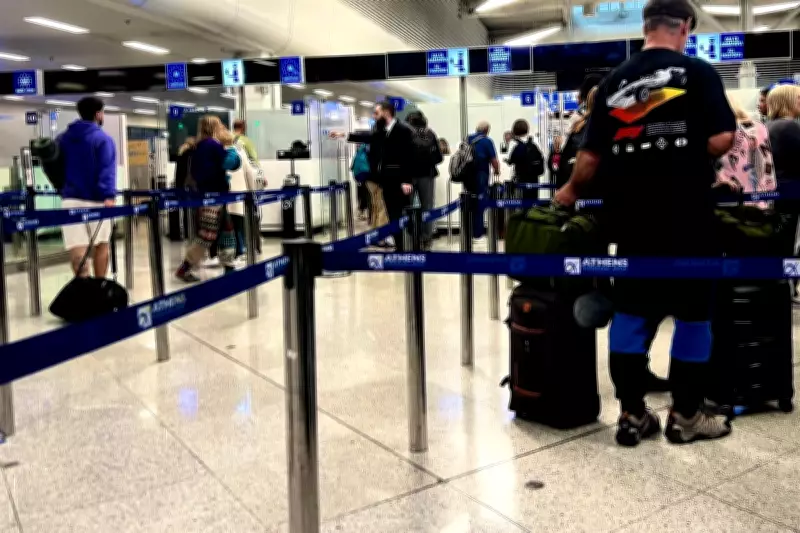
Airports and airlines across Europe are sounding the alarm over potential chaos at passport control this summer, with warnings that British travellers could endure waiting times exceeding four hours. This dire prediction stems from the ongoing rollout of the European Union's digital Entry-Exit System (EES), which has already caused significant delays since its partial implementation began last October.
What is the Entry-Exit System and Why is It Causing Delays?
The EES is a new border control mechanism designed to enhance security within the Schengen area by requiring non-EU nationals, including British passport holders, to provide fingerprints and facial biometrics upon their first entry. While intended to streamline processes, aviation industry leaders report a 'complete disconnect' between the EU's positive assessment and the reality on the ground. They cite current delays of up to two hours, even with the system only partially in place, and fear these could double during peak summer travel periods.
Calls for Suspension Amidst Growing Concerns
In response to these mounting issues, key figures in the aviation sector are urgently calling for the EU to suspend the full implementation of the EES. They argue that without such action, passengers will face 'massive delays and inconvenience', undermining travel efficiency and potentially deterring tourism. The system's biometric requirements, though aimed at strengthening border security, are seen as a bottleneck that airports are ill-equipped to handle during high-traffic seasons.

EU's Stance on the EES Rollout
Contrasting sharply with industry warnings, the European Commission maintains that the EES has been 'successfully launched' and is operating 'largely without issues'. Officials emphasize the system's role in fortifying border controls and note that member states have flexibility to manage implementation at their own pace. However, this reassurance does little to alleviate fears among travellers and aviation professionals, who point to real-world experiences of prolonged waits and operational hiccups.
Implications for British Travellers and Summer Travel
For British nationals planning trips to EU destinations this summer, the situation poses a significant risk. The prospect of four-hour queues at passport control could disrupt travel plans, increase stress, and lead to missed connections. Aviation experts warn that if the EES is not adjusted or paused, the summer season may be marred by widespread chaos, affecting not only leisure travellers but also business and family visits.
As the debate continues, all eyes are on the EU to address these concerns before the peak travel months arrive. The outcome will likely shape border experiences for millions of non-EU visitors in the coming years.