Australia Grapples with Fuel Crisis as Public Transport Fails to Offer Relief
Australia is currently confronting a significant fuel crisis, with shortages impacting daily life and economic activities across the nation. Experts have issued stark warnings that public transport systems are ill-equipped to serve as a viable alternative, highlighting critical gaps in infrastructure and capacity.
Inadequate Infrastructure Exacerbates the Situation
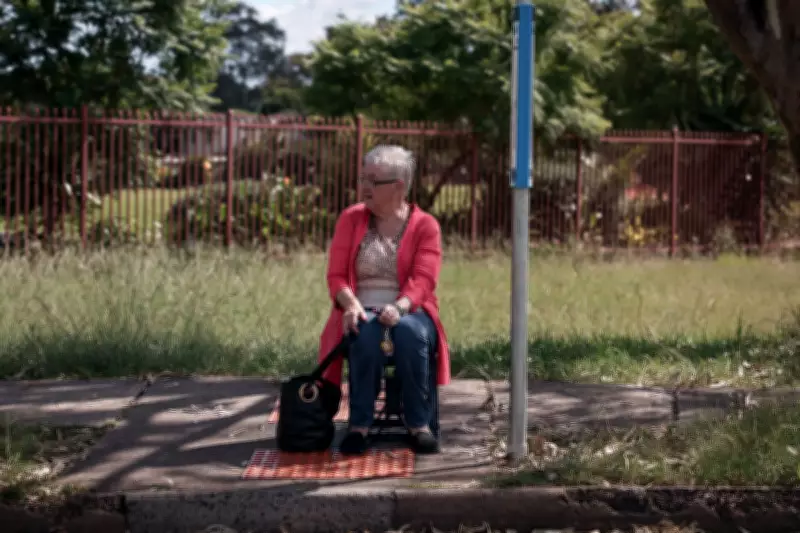
The crisis has exposed longstanding weaknesses in Australia's public transport networks. Many regions, particularly rural and suburban areas, suffer from limited or non-existent services, making it impossible for residents to rely on buses, trains, or trams for essential travel. Urban centers, while better served, are struggling with overcrowding and insufficient frequency, further diminishing their effectiveness as substitutes for private vehicles.
Economic and Social Impacts Deepen
The fuel shortage is not just an inconvenience; it is having profound economic and social repercussions. Businesses are facing disruptions in supply chains, with delays in deliveries and increased operational costs. Commuters are experiencing longer travel times and higher expenses, while vulnerable populations, such as the elderly and low-income families, are disproportionately affected due to their reliance on affordable transport options.

Government Response and Future Challenges
Authorities are scrambling to address the crisis, but solutions are complex and time-consuming. Short-term measures include fuel rationing and import boosts, but long-term strategies require substantial investment in public transport upgrades and renewable energy initiatives. However, with current budget constraints and political hurdles, a swift resolution appears unlikely, leaving many Australians to cope with ongoing uncertainty.
Expert Opinions and Public Sentiment
Transport analysts emphasize that this crisis underscores the urgent need for a comprehensive overhaul of Australia's transport policies. Public sentiment is increasingly frustrated, with calls for more resilient and sustainable systems. As the situation unfolds, the debate over energy security and infrastructure development is set to intensify, shaping the country's approach to future crises.