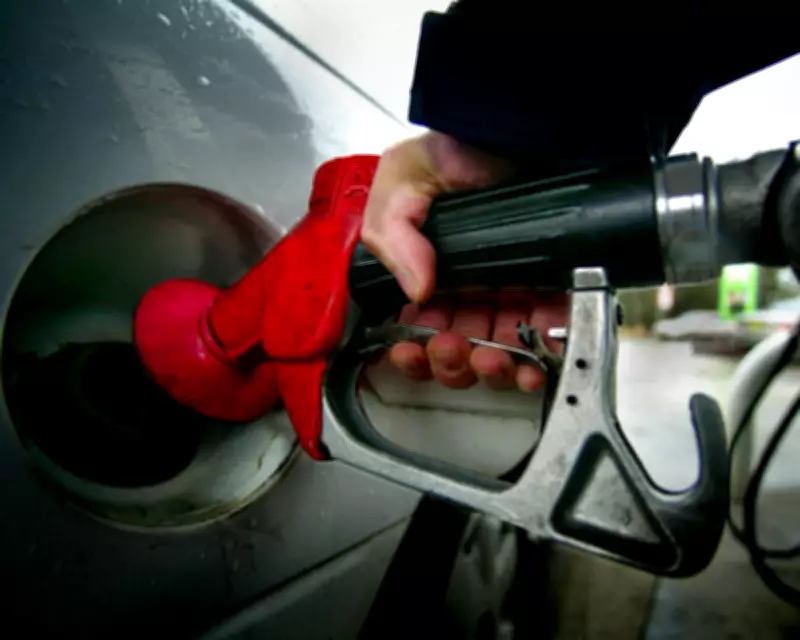
Australian motorists are facing imminent increases in petrol prices as wholesale costs begin to filter through to service stations across the nation. This development comes amidst escalating conflict in the Middle East that has triggered significant volatility in global oil markets.
Government Ministers Issue Calming Messages
Energy Minister Chris Bowen has directly appealed to Australian drivers, stating emphatically that there is absolutely no necessity to rush to petrol stations and engage in panic-buying behavior. "I do understand people's concerns," Bowen acknowledged, "but it's important that people know we do have a good stock of petrol in reserve."
The minister emphasized that while real challenges exist in the current international environment, particularly concerning the strategically vital Strait of Hormuz shipping route, panic purchasing would only exacerbate the situation rather than alleviate concerns.

Fuel Reserve Levels Below International Standards
Australia currently maintains approximately 36 days of petrol supply in reserve, alongside 34 days of diesel and 32 days of jet fuel. These figures fall substantially below international benchmarks established by the International Energy Agency, which recommends member nations maintain 90 days of emergency fuel stocks.
Notably, Australia stands as the only International Energy Agency member consistently failing to meet these crucial reserve requirements, a situation that has drawn increased scrutiny during periods of global supply disruption.
Treasurer Targets Potential Price Gouging
Concurrently, Treasurer Jim Chalmers has taken decisive action by formally writing to the Australian Competition and Consumer Commission (ACCC). In his communication, Chalmers urged the consumer watchdog to maintain vigilant monitoring for any instances of price gouging by fuel retailers.
"The recent spike in oil prices should not be used as an excuse for retailers to gouge customers or to increase prices opportunistically above and beyond the impact of events in the Middle East," Chalmers stated firmly in his letter to ACCC acting chair Mick Keogh.
The treasurer specifically requested that the ACCC investigate any concerns regarding misrepresentations about petrol prices, false and misleading conduct, or anti-competitive practices within Australian fuel markets.
Global Oil Market Volatility
International oil prices have surged dramatically, climbing approximately 10% this week alone and approaching $80 per barrel based on the Brent crude benchmark. This increase follows weeks of rising prices as traders anticipated military action between the United States, Israel, and Iran, which materialized over the weekend.
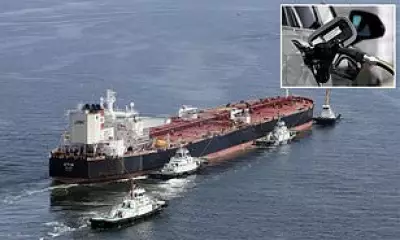
The geopolitical situation has been further complicated by warnings from Iran's Islamic Revolutionary Guard Corps that ships attempting to navigate the Strait of Hormuz face potential attack. This critical shipping channel, situated between Iran and Oman, facilitates the transportation of approximately 20% of the world's crude oil supplies.
Industry Assurances and Supply Contracts
Minister Bowen revealed that he has held discussions with chief executives of Australia's major refining companies, receiving assurances that contractual arrangements remain in place to guarantee fuel supplies through to May. The companies have expressed confidence that these contracts will be honored despite international tensions.
"The biggest impact on petrol prices in Australia will always be oil prices, and oil prices will come under pressure," Bowen explained. "But for those Australians who are concerned about our supply of oil and petrol, I'm pleased to say that we are in good shape."
Despite these reassurances, reports have emerged of lengthy queues forming at petrol stations in Australia's largest metropolitan areas, indicating that some motorists remain concerned about potential fuel shortages or dramatic price increases in the coming days and weeks.