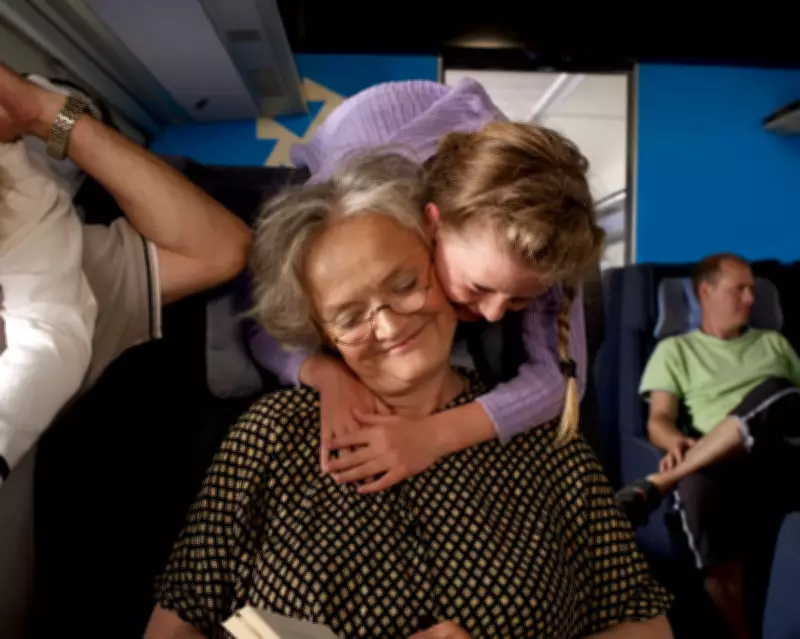
The recent decision by French rail operator SNCF to introduce new 'adults-only' carriages has ignited a significant debate about the place of children in public spaces. While marketed as 'Optimum' zones where executives could work undisturbed, free from sticky fingers or blaring cartoons, the initiative has faced widespread criticism and forced a partial backtrack from the company.
A Growing Trend of Exclusion
SNCF's move is part of a concerning cultural shift towards suppressing young people in shared environments. The company revealed it had faced years of pressure from passengers to create child-free carriages, highlighting an increasing intolerance towards children in public life. This isn't isolated to France – similar patterns are emerging globally.
Teenagers Pushed Out of Public Spaces
As reported by the Atlantic, teenagers are experiencing systematic exclusion from their traditional gathering places. Shopping malls and amusement parks across the United States have implemented bans targeting groups of young people, citing concerns about 'horseplay, shouting, racing and other youthful actions.' Cities including Chicago and Washington have introduced youth curfews in certain areas, while some fast food establishments now require under-18s to be accompanied by adults aged 21 or older.

The situation in the United Kingdom reflects similar challenges. Last year, the Scottish nonprofit A Place in Childhood highlighted how teenagers frequently feel excluded from their own communities, with a noticeable lack of 'safe, welcoming and unstructured space' available to them. Their play is often 'policed, designed out, or simply ignored' by adult society.
The Price of Community
Despite natural human tendencies towards comfort and quiet, none of us are entitled to a completely silent and frictionless experience in public spaces – particularly on public transport. The very essence of community involves accepting inconvenience as part of shared existence. While nobody particularly enjoys sitting next to a colicky newborn on a long-haul flight or dealing with wriggly toddlers, these experiences are part of living in society.
There's a fundamental expression that applies here: 'Inconvenience is the price of community.' We live in a society, and that beautiful reality comes with the presence of people doing things we might prefer they wouldn't. This especially applies to children, who represent both our past and our future.
Why We Need Children in Public Life
At a time when birthrates are declining across many Western nations – deaths have recently outstripped births in France – we will increasingly depend on younger generations as we age. Rather than making parents anxious about taking their children out in public or chasing teenagers back to their bedrooms, we should be cherishing and accommodating young people in shared spaces.
Practical considerations support this approach too. We might need those same teenagers to rescue us from difficult situations one day, much like the two teenage lads who rescued unprepared adults in the Lake District this past January. Excluding young people from public life ultimately diminishes our collective resilience and community bonds.
Finding Balance in Shared Spaces
This isn't to suggest that everyone will suddenly appreciate the sound of children laughing on a delayed CrossCountry train from Cheltenham to Cardiff. Realistically, you might get kicked in the back repeatedly, endure a cacophony of TikTok sounds, or encounter flying energy drinks. But these minor inconveniences are part of the social contract that allows communities to function.
Many adults in designated 'Quieter' coaches on services like LNER still exhibit behaviors that could be considered loud or inconsiderate. The truth is we were all once loud, annoying, and occasionally inconsiderate ourselves. Recognizing this shared human experience should foster greater tolerance rather than exclusionary policies.

The backlash against SNCF's initiative – including criticism from France's high commissioner for children Sarah El Haïry who called it 'shocking' – suggests many people recognize the importance of inclusive public spaces. As society grapples with how to balance different needs in shared environments, the solution lies not in exclusion but in developing greater mutual understanding and tolerance across generations.