CrossCountry has launched the first of its refurbished Voyager trains into active service, initiating a substantial £75 million investment programme aimed at significantly enhancing passenger rail journeys across Britain. This major rail operator maintains an extensive network connecting key cities including Birmingham, Manchester, Cardiff, Bristol, Newcastle, Leeds, Glasgow, and Edinburgh, serving millions of travellers annually.
Addressing Past Criticisms with Modern Upgrades
The operator faced severe criticism in recent years for what was described as 'shocking' conditions and chronic overcrowding on its services. Reports emerged of passengers, including elderly individuals, being forced to stand in toilets due to insufficient seating and capacity issues. In response, CrossCountry announced plans to introduce 12 new trains to its network by May 2025, alongside the comprehensive refurbishment of its existing fleet.
Showcasing the Refurbished Unit
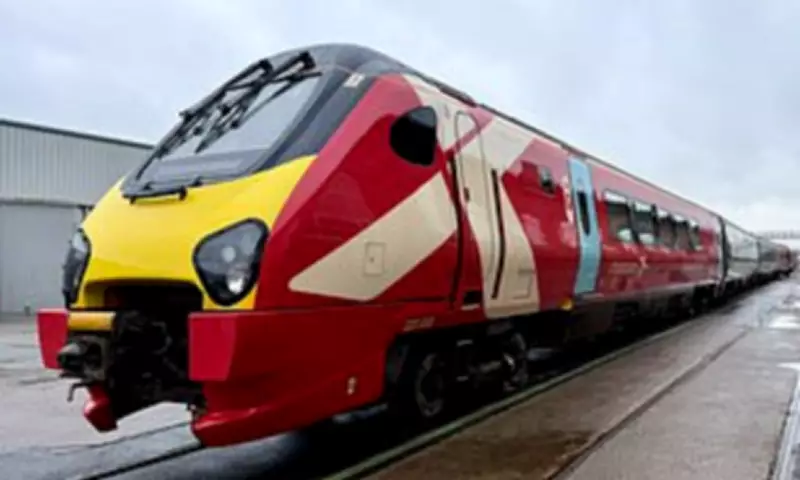
On 10 February 2026, the inaugural revamped Voyager train was unveiled at the Derby Litchurch Lane facility, where skilled staff carried out the extensive refurbishment work. The upgraded train boasts a range of passenger-focused improvements, including a substantial increase in seating capacity, enhanced lighting systems, extended legroom for greater comfort, and advanced onboard technology such as comprehensive CCTV coverage for improved security.

Shiona Rolfe, CrossCountry's managing director, emphasised the significance of this development, stating: 'This train marks an important step in our commitment to improving the experience for everyone who travels with us. We recognise the need for substantial investment in our rolling stock and infrastructure to meet passenger expectations.'
Fleet Expansion and Standardisation
The newly refurbished train joins 70 existing CrossCountry Voyager trains that have been operational since their initial construction in 2000. Over the forthcoming two years, the operator aims to refurbish all Voyager trains to this same elevated standard, ensuring consistency across the fleet and addressing long-standing passenger concerns about comfort and reliability.
Political Scrutiny and Government Intervention
This refurbishment programme unfolds against a backdrop of intense political scrutiny and governmental rail reform initiatives. In August 2024, Navendu Mishra, Labour MP for Stockport, branded CrossCountry as 'one of the worst operating train companies in the country', highlighting persistent issues with delays, cancellations, and overcrowding affecting his constituents.
Mishra wrote in a letter to the operator's management: 'For too long passengers in Stockport have suffered from delays, cancellations, and overcrowding. I appreciate that you have acknowledged that services have "fallen below the standards our passengers should expect from us", however now is the time to take decisive action.'
The Renationalisation Context
Concurrently, the Government is advancing plans to renationalise nearly all passenger rail services by 2027, as outlined in Labour's 2024 manifesto commitment to a significant overhaul of the rail network. The manifesto declared that railways should be 'owned by the public, delivering for the public, not for private shareholders', signalling a fundamental shift in rail governance and ownership structures.
Great British Railways Implementation
Plans are progressing to replace the current privatised franchise model with a new public body named Great British Railways (GBR), which is scheduled to begin rolling out across trains, websites, and stations from next spring. The state-owned company unveiled its distinctive red, white, and blue branding before Christmas, marking a visual departure from previous private operator identities.
Government ministers assert that GBR will 'cut through the frustrating bureaucracy and lack of accountability that continues to plague the railways' by consolidating 17 different organisations under a single, publicly accountable structure. A Department for Transport spokesman noted: 'The GBR chairman's salary is lower than previous similar positions. This is also rightly much lower than salaries in similar-sized private organisations.'

Fare Freeze and Passenger Benefits
In a related development, the Government announced in November that rail fares in England would be frozen until March 2027 – the first such freeze in three decades. This measure applies to regulated fares including season tickets and off-peak returns, providing financial relief to regular commuters amid broader rail service improvements.
The convergence of CrossCountry's £75 million refurbishment investment, the impending introduction of Great British Railways, and the fare freeze represents a multifaceted approach to addressing long-standing challenges within Britain's rail network, with passenger experience and public accountability at the forefront of these transformative developments.