

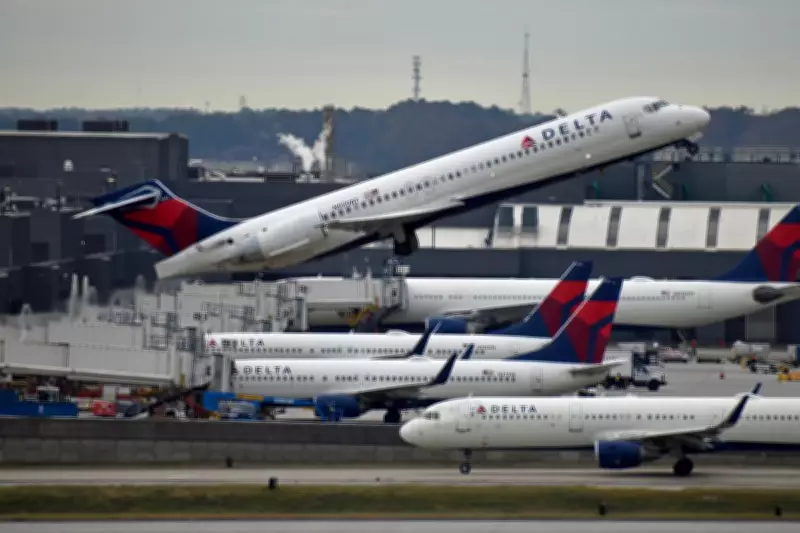
Delta Air Lines Warns of Higher Fares as Soaring Fuel Costs Bite
Delta Air Lines has issued a stark warning to its customers, indicating that flight prices are set to rise significantly due to escalating fuel costs. The airline's CEO, Ed Bastian, made the announcement during a call with reporters on Tuesday, highlighting the severe financial pressures stemming from the war in Iran that began in February.
Capacity Reduction and Financial Strain
In response to the surging jet fuel prices, Delta will meaningfully reduce its capacity growth plans, effectively cutting the number of seats available on its aircraft. This strategic move comes as the carrier faces a staggering $2 billion increase in its fuel bill for the current quarter, as reported by CNBC. The reduction in capacity is expected to exacerbate already-high airfare, making travel even more expensive for passengers.
Increased Baggage Fees and Cost-Cutting Measures
To offset these rising expenses, Delta has implemented a series of measures, including a hike in checked bag fees. As of this week, the airline has joined competitors like JetBlue Airways and United in raising fees to $45 for the first bag, $55 for the second, and $200 for the third. Additionally, Bastian revealed plans to cut back on the flight schedule, targeting midweek and overnight flights to lower operational costs.

Strong Demand Despite Higher Prices
Despite the anticipated sticker shock, Delta executives report that the rising cost of air travel has not deterred travelers from booking flights. The airline projects a pre-tax profit of approximately $1 billion for the current quarter, underscoring robust demand. It's a healthy travel time, Bastian noted, according to the Wall Street Journal, adding that wealthier customers are prioritizing experiences and travel.
Financial Forecasts and Long-Term Implications
Higher ticket prices and reduced flight schedules are expected to bolster Delta's operating margins in the second quarter. However, the company forecasts adjusted earnings of $1 to $1.50 per share, falling short of Wall Street's expectations of $1.56 per share. Bastian aims to recover 40 to 50 percent of the higher fuel costs through price increases, with a $300 million benefit anticipated from its refinery in the second quarter, up from $60 million in the first.
Bastian cautioned that these increased fees may not be temporary, stating, At this level of fuel, it's hard to call anything temporary. This suggests that passengers could face sustained higher costs as Delta navigates the ongoing fuel price crisis.






