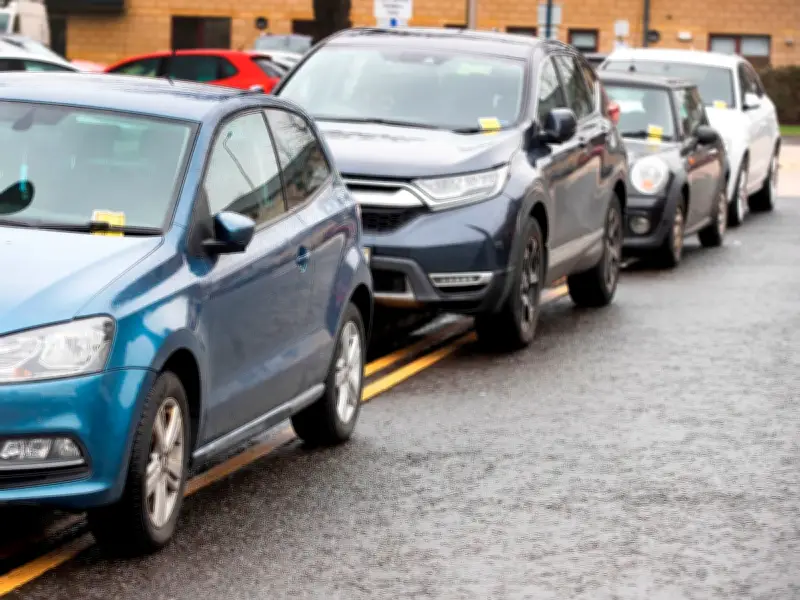
East Ayrshire Council is moving forward with the next phase of its pavement parking ban, following a series of street assessments that have resulted in 28 new exemptions. The council's cabinet received a report this week detailing progress since enforcement began in June 2025.
Second Phase of Assessments Completed
Roads chiefs have completed 89 additional street assessments, prompted by requests from residents, businesses, and elected members. After detailed review, 28 streets will be exempt from pavement parking restrictions. Of these, 16 locations will also require additional waiting restrictions to maintain safe and efficient traffic flow.
Furthermore, new waiting restrictions will be implemented at four additional locations that did not meet the exemption criteria but would benefit from such measures to ensure vehicle passage safety.

Council Commitment to Balanced Implementation
Councillor Jim McMahon, Cabinet Spokesperson for Housing, Transport and Communities, stated: “The Council remains committed to delivering the pavement parking legislation in a balanced and practical way, and as part of this, we have listened carefully to the views of our residents and businesses when assessing and agreeing the additional streets that will become exempt from pavement parking restrictions.”
He added: “Our priority is to protect pedestrian access while recognising that, in some locations, exemptions are necessary to maintain the safe and efficient operation of our roads. We will continue to monitor the effects of the enforcement to ensure compliance with the Act while promoting road safety and accessibility across East Ayrshire.”
Legislative Background and Phased Enforcement
The measures are part of the council's implementation of the Transport (Scotland) Act 2019, which introduced powers to prohibit pavement parking to improve accessibility and safety for pedestrians, wheelchair users, people with visual impairments, and families with prams. When enforcement began in June 2025, parking attendants initially issued warning notices before moving to full enforcement. This phased approach generated numerous requests for additional exemptions, leading to the second phase of assessments.
Next Steps and Timeline
Detailed survey work will begin immediately to incorporate the streets into a formal Pavement Parking Exemption Order. This statutory process will include public consultation, consideration of objections, and installation of associated signs and road markings. The process is expected to take between six to 12 months, with new exemptions coming into effect by June 2027.
Funding from the Scottish Government supports the assessment and implementation process. Any income generated from enforcement will cover operational costs or be reinvested in roads-related projects.