Economy Flights to Australia Hit £2,000 as Global Airspace Upheaval Reshapes Travel
In a dramatic shift for international aviation, one-way economy fares from London to Australia have skyrocketed to nearly £2,000, signalling a turbulent new era for travellers. This surge comes as global airspace upheaval forces airlines to reroute planes over previously avoided regions and overhaul their flight schedules, with profound implications for the future of travel.
Middle East Airspace Closures Trigger Rerouting Chaos
The catalyst for this disruption stems from the closure of key Middle Eastern airspace, which has severed the traditional superhighway for flights between the UK and Asia. Until late February, a steady stream of aircraft traversed Iran, connecting the Gulf with British airports. Emirates, Etihad, and Qatar Airways—collectively known as the "Middle East 3"—dominated this route, carrying over half of all passengers between the UK and Australia via hubs in Dubai, Abu Dhabi, and Doha.
Now, with these airports on the Foreign Office no-go list due to security threats from Iranian drones and missiles, they are operating at a fraction of their capacity. The repercussions are severe: the ME3 are losing tens of millions of pounds daily, with even their limited flights from Heathrow, Gatwick, and Manchester flying half-empty. The local tourism industries in the UAE and Qatar are suffering deeply from the absence of visitors.

Airlines Adapt with Unconventional Routes and Soaring Prices
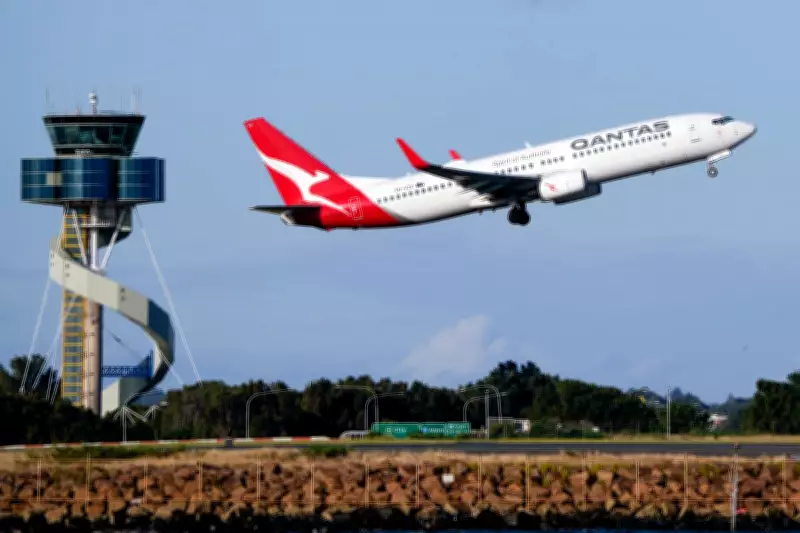
As a result, airlines are scrambling to adapt. Pilots report unprecedented traffic over Afghanistan, a country once considered an airspace pariah, as it becomes a transit corridor for flights to South Asia. Meanwhile, rivals like Qantas are capitalising on the situation. The Australian carrier is selling one-way economy tickets from London to Perth for almost £2,000 in early April, a fare that reflects the increased demand and operational challenges.
To meet this demand, Qantas has reshuffled its fleet, moving comfortable Airbus A330 jets to Pacific routes to free up Boeing 787s for the lucrative Australia-Europe network. The airline has also announced plans to boost capacity to Europe by 400 seats daily, primarily by increasing flights from Paris to Sydney and Rome to Perth. This strategy offers travellers a potential workaround: a no-frills hop to French or Italian capitals could help avoid the £106 air passenger duty on ultra-long-haul journeys from the UK.
Summer Travel Prospects: Competition Intensifies Despite Challenges
Despite the upheaval, the outlook for summer travel is not entirely bleak. While aviation fuel prices are soaring, competition on shorter routes is intensifying. Jet2, for instance, has launched a significant new programme from Gatwick to Mediterranean destinations, betting on sustained demand for holidays. "Ultimately, people still want to travel," said Jet2 chief executive Steve Heapy. "They want a break, especially given the current mood and weather in the UK. We're ready to meet that demand."
New Flight Links and Destination Opportunities
The start of the official summer season this weekend brings a bounty of new routes, offering travellers fresh options. Morocco sees enticing additions, with Ryanair launching flights from Birmingham and Newcastle to Marrakech, and Royal Air Maroc introducing a new Gatwick-Tetouan service, improving access to the Rif Mountains and Chefchaouen. Tetouan joins a select list of walkable international airports, alongside Gibraltar, Nice, and Pisa.
Long-haul highlights include Virgin Atlantic's new Heathrow-Seoul route, injecting competition into the UK-South Korea market. However, flight times are gruelling, exceeding 14 hours inbound due to avoidances of Russia and conflict zones from Ukraine to the UAE. In contrast, Air China via Beijing benefits from overflight rights over Siberia, cutting journey times dramatically.
Surprising new links also emerge, such as ITA's Heathrow-Rome service—restoring a lost route—and Air France's Gatwick-Paris CDG hop, which may attract travellers seeking alternatives to high Eurostar fares. With rail fares from London to Paris hitting £228 one-way, flying could save nearly £100.

While the £2,000 economy fare to Australia may not become the new normal—the ME3 are poised to slash prices to fill planes once they return at scale—the current airspace upheaval underscores a volatile period for global travel. As airlines navigate these challenges, travellers must stay informed and flexible to seize opportunities amidst the disruption.