Electric Car Grant Update: Which EVs Qualify for Government Discounts?
The UK government's Electric Car Grant (ECG) continues to play a pivotal role in making electric vehicles more accessible and affordable for British motorists. With a growing list of eligible models, the scheme is helping to bridge the cost gap between traditional petrol or diesel cars and their electric counterparts.
Understanding the Electric Car Grant Scheme
Introduced in July 2025 as part of the government's comprehensive Plan for Change strategy, the ECG provides substantial financial incentives to encourage the adoption of electric vehicles. The scheme operates on a two-tier discount system based on environmental credentials. Band 1 vehicles, which meet the highest sustainability criteria, qualify for the maximum discount of £3,750. Band 2 vehicles, meeting slightly lower standards, are eligible for a £1,500 reduction.
To qualify for the grant, electric cars must meet specific requirements including a minimum battery range of 100 miles, comprehensive warranty terms for both vehicle and battery, and adherence to price cap rules. The discount is applied directly at the point of sale by dealerships, requiring no additional action from buyers.

Band 1: Maximum £3,750 Discount
The following electric vehicles qualify for the full £3,750 discount under Band 1 criteria:
- Alpine A290
- Citroën ë-C5 Aircross Long Range
- Ford E-Tourneo Courier
- Ford Puma Gen-E
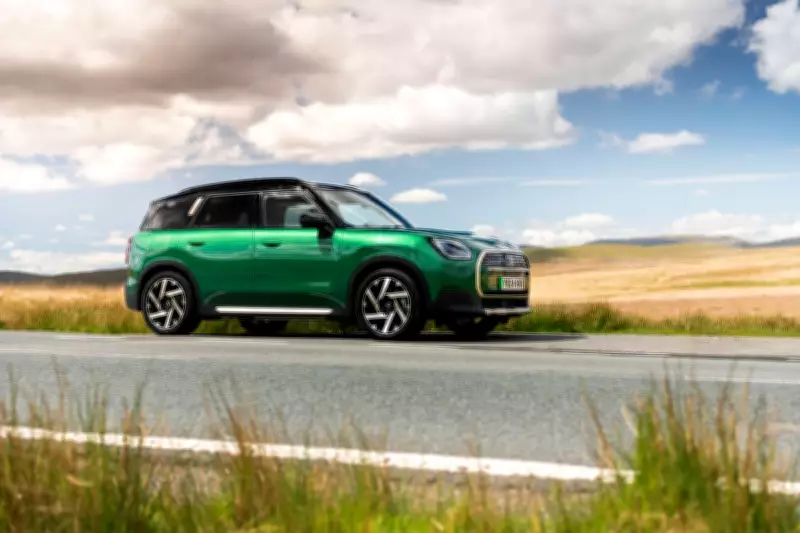
- MINI Countryman Electric
- Nissan Leaf
- Renault 4
- Renault 5 (52 kWh)
These models represent some of the greenest options available in the UK market, meeting stringent sustainability standards while offering practical range and warranty coverage. The inclusion of popular models like the Renault 5 and Nissan Leaf demonstrates how the grant is making mainstream electric vehicles more financially accessible.
Band 2: £1,500 Discount
A broader range of electric vehicles qualifies for the £1,500 discount under Band 2 criteria, including models from European and Japanese manufacturers:
- Citroen e-C3, e-C3 Aircross and e-C3 Urban Range
- Citroen e-C4 and e-C4 X
- Citroen e-C5 Aircross
- Citroen e-Berlingo
- Citroen e-SpaceTourer
- Cupra Born
- DS DS3
- DS No4
- Hyundai Kona Electric
- Kia EV4
- Kia PV5 Passenger
- Nissan Ariya
- Nissan Micra
- Peugeot E-208
- Peugeot E-2008
- Peugeot E-308
- Peugeot E-408
- Peugeot E-Rifter
- Peugeot E-Traveller
- Renault 5 (40 kWh)
- Renault Megane
- Renault Scenic
- Skoda Elroq
- Skoda Enyaq
- Toyota C-HR+
- Toyota Proace City Verso
- Vauxhall Astra Electric
- Vauxhall Combo Life Electric
- Vauxhall Corsa Electric
- Vauxhall Frontera Electric
- Vauxhall Grandland Electric
- Vauxhall Mokka Electric
- Vauxhall Vivaro Life Electric
- Volkswagen ID.3
- Volkswagen ID.4
- Volkswagen ID.5
Recent additions to the Band 2 list, such as the Kia EV4 and Hyundai Kona Electric, highlight the scheme's evolving nature and expanding options for consumers considering their first electric vehicle purchase.
Industry Response and Future Outlook
The automotive industry has responded positively to the Electric Car Grant scheme. Major manufacturers including Ford, Renault, and Nissan have confirmed eligibility across significant portions of their electric vehicle lineups. The Ford Puma Gen-E, as the electric version of the UK's best-selling car, was among the first models confirmed for the full grant, demonstrating how the scheme benefits popular mainstream vehicles.
Government statistics reveal that more than 40,000 drivers have already benefited from the scheme since its launch. An additional £1.5 billion in funding announced in the Autumn Budget has extended the program's lifespan toward 2030, ensuring continued support for electric vehicle adoption.

While critics note that the grant alone cannot address all barriers to electrification—particularly regarding charging infrastructure outside urban areas—early data suggests the scheme has successfully encouraged more buyers to consider electric vehicles. With plug-in vehicles accounting for an increasing share of new vehicle registrations in the UK, the ECG appears to be achieving its goal of accelerating the transition to zero-emission transportation.
For prospective electric vehicle buyers, checking eligibility for the Electric Car Grant should be an early step in the research process. Whether seeking the maximum £3,750 discount or the £1,500 reduction, the scheme provides tangible financial benefits that make electric vehicles more competitive with traditional combustion engine cars. As electric vehicle prices continue to decline and more affordable models enter the market, the ECG represents a significant component of the UK's strategy to promote sustainable transportation alternatives.