The European Union's new Entry-Exit System (EES) has been fully operational since 10 April, but its launch has been marred by substantial delays at border checks, causing frustration for travellers across the continent. According to reports from the Airports Council International (ACI), passengers in airports in countries such as France, Germany, Belgium, Italy, Spain, and Greece are experiencing wait times of several hours, with some individuals stuck in queues for up to three hours.
Widespread Disruptions at Key Hubs
Airports have highlighted that the EES, designed to streamline border security by digitally recording entry and exit data for non-EU citizens, is instead creating bottlenecks. The system requires travellers to provide biometric data, including fingerprints and facial scans, at automated kiosks or manual checkpoints. This additional step has slowed processing times significantly, particularly during peak travel periods.
Passenger Experiences and Feedback
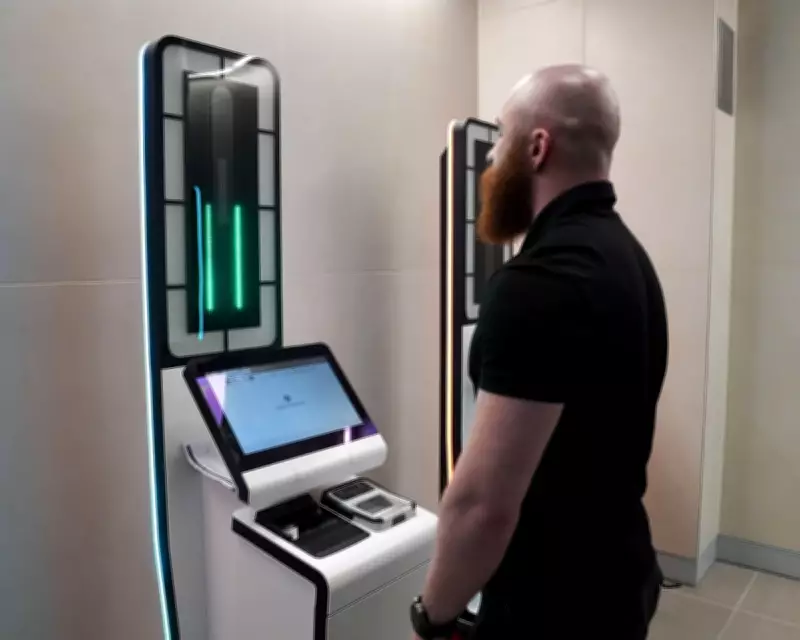
Many travellers have reported long waits and confusion at border controls. For instance, during a trial at London St Pancras, a person was seen using an EES kiosk, but the full-scale implementation has led to more extensive issues. Passengers describe spending hours in lines, with some resorting to reading, using mobile devices, or simply waiting patiently to pass the time. The ACI has urged airports to increase staffing and resources to mitigate these delays, but challenges persist as the system beds in.

Industry Concerns and Calls for Improvement
The Airports Council International has expressed concern over the impact of these delays on airport operations and passenger satisfaction. They emphasize that while the EES aims to enhance security and compliance with EU regulations, its current implementation is causing operational headaches. Airports are working to adapt by installing more kiosks and training staff, but it may take time before efficiency improves.
Looking Ahead: Potential Solutions
To address the delays, experts suggest that airports could implement better queue management systems, offer pre-registration options for frequent travellers, and enhance public awareness about the new requirements. Additionally, ongoing adjustments to the EES software and hardware may help speed up processing in the coming months. However, until these measures take effect, passengers are advised to allow extra time for border checks when travelling to or within the EU.
As the system continues to roll out, feedback from travellers will be crucial in identifying and resolving issues. Those who have used the EES are encouraged to share their experiences to help improve its functionality and reduce future disruptions.