Significant travel disruption has struck UK-bound passengers at European airports, with dozens of travellers missing flights due to chaotic passport control queues caused by the European Union's new entry-exit system. The situation has left many facing substantial additional costs and frustration as the biometric data system experiences serious teething problems across the continent.
Flight Missed Amid Passport Control Chaos
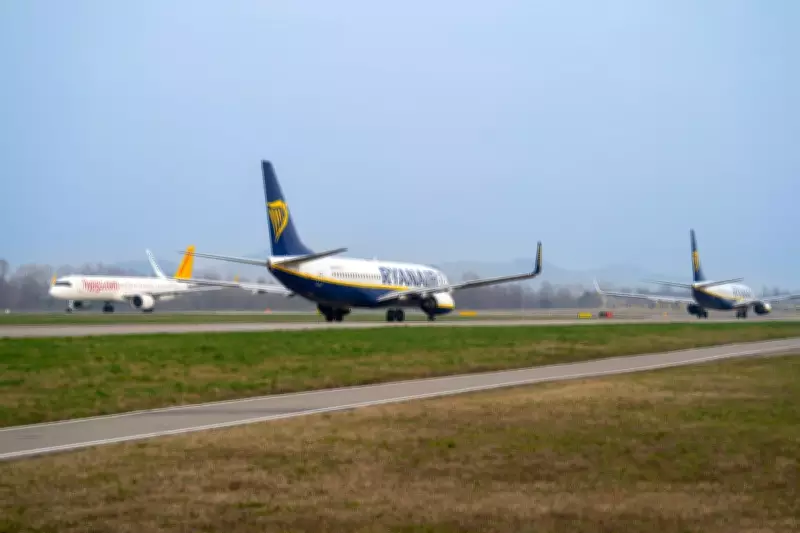
Approximately thirty Ryanair passengers scheduled to travel from Milan Bergamo to Manchester last week were unable to board their aircraft following what the airline described as "passport control delays" at the Italian airport. The incident occurred on 16 April 2026, highlighting ongoing issues with the implementation of the EU's entry-exit system, which requires non-EU citizens to provide biometric data at border controls.
A Ryanair spokesperson confirmed the situation in an official statement, noting that "a number of passengers missed this flight from Milan to Manchester" due to the delays. The airline emphasized that passengers who present themselves at the boarding gate before closure would typically be accommodated, but once the gate closes and the manifest is signed, boarding cannot be reopened under legal aviation protocols.

Passenger Experiences of System Failure
Adam Hassanjee, an eighteen-year-old traveller from Bolton, described the scene at Milan Bergamo airport as "complete chaos" in an interview with BBC News. He reported waiting in passport control queues for ninety minutes without movement, only to witness his aircraft depart without him and his fellow passengers.
"We were waiting for an hour and a half and weren't moving," Hassanjee explained. "Then we see the plane leave and got told we have to go and book our own flight back." This experience reflects broader confusion and disruption affecting travellers heading to Europe since the full rollout of the entry-exit system began on 10 April 2026.
Airlines' Response and Passenger Options
According to Ryanair's policy, passengers who miss their flights are offered the option of paying a £100 "missed departure fee" to be transferred to an alternative departure. This fee represents a significant additional cost for travellers already facing the inconvenience of missed connections and extended delays.
The airline clarified the boarding process, noting that once the gate closes, a legal report of the manifest—detailing all passengers and crew onboard—is signed and sent to the captain, making it impossible to reopen boarding at that stage. This standard aviation procedure has contributed to passengers being left behind as passport control queues extend beyond boarding deadlines.
EasyJet Faces Similar Disruption
Ryanair is not the only carrier experiencing difficulties due to the enforcement of the EU entry-exit system. A family travelling with easyJet was forced to spend £1,600 on a connecting flight via Luxembourg after their scheduled aircraft departed without them from Milan Linate airport.
The Hume family from Leeds queued for nearly three hours at passport control due to what they described as chaotic enforcement of the new biometric system. Speaking to The Independent's travel correspondent Simon Calder, Mr. Hume expressed feeling "gutted, upset, let down, absolutely shattered and poorer—much poorer" following the experience.
In a particularly striking example of the scale of disruption, only thirty-four of the 156 passengers booked on easyJet flight 5420 from Milan to Manchester managed to board the aircraft, leaving 122 travellers stranded in Italy. EasyJet has apologized for the inconvenience and stated that affected passengers will be offered free transfers to alternative flights.
System Implementation Challenges
The EU's entry-exit system represents a significant change in border management for the Schengen area, requiring non-EU citizens—including British travellers following Brexit—to provide biometric data such as fingerprints and facial scans at frontier controls. Designed to enhance security and monitor border crossings, the system has faced implementation challenges since its planned full application began earlier this month.

Long queues for biometric data input have emerged as a primary issue, creating bottlenecks at airports across Europe. These delays have resulted in missed flights, additional costs for passengers, and operational challenges for airlines attempting to maintain schedules amid the border control chaos.
The situation highlights the ongoing adjustment period required for new border technology systems, with travellers and airlines alike bearing the consequences of implementation difficulties. As the system continues to be enforced at Schengen area frontiers, further disruption may occur until processes are streamlined and staff become more familiar with the new requirements.