March witnessed a historic surge in electric vehicle sales across the United Kingdom, with registrations reaching unprecedented levels as motorists contend with rapidly escalating fuel costs, according to newly released industry data. The Society of Motor Manufacturers and Traders (SMMT) reported that electrified vehicles, encompassing battery electric, plug-in hybrid, and hybrid models, accounted for 196,059 registrations last month.
Record-Breaking EV Registrations Amid Fuel Price Crisis
Battery electric car registrations specifically soared to 86,120 in March, marking a substantial 24.2 per cent increase compared to the same period last year and setting a new all-time record. Plug-in hybrid registrations experienced an even more dramatic surge, climbing by 46.9 per cent year-on-year, while hybrid electric vehicles saw a respectable 7.3 per cent rise. This remarkable growth occurred against a backdrop of spiralling oil and gas prices, largely driven by ongoing turmoil in the Middle East.
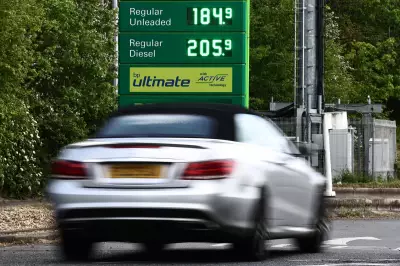
Fuel Costs Hammer Drivers at the Forecourt
The SMMT suggests that these soaring fuel expenses may be fuelling greater consumer appetite for electric vehicles, which operate partly or entirely on batteries rather than traditional fossil fuels. According to the latest RAC figures, average unleaded petrol prices have increased by approximately 18 per cent since the Iran conflict intensified in late February, now standing at 157p per litre. Diesel prices have witnessed an even more severe jump, rising by one-third to reach an average of 189p per litre.

Despite this significant squeeze on fuel expenses, the broader new car market actually expanded by 6.6 per cent in March compared with the previous year, with 380,627 new vehicles registered overall. This represented the strongest monthly sales performance since 2019, before the COVID-19 pandemic disrupted global markets. March traditionally sees the highest volume of new car registrations annually, as many purchasers strategically wait until the number plate refresh occurs.
Industry Leaders Warn of Economic Pressures
Mike Hawes, chief executive of the SMMT, cautioned that while March's performance was impressive, much of it stemmed from orders placed before the start of the Iran conflict. He warned that the ongoing war "threatens to raise the cost of living, undermining consumer confidence" in the months ahead. However, Ian Plummer, chief customer officer at vehicle marketplace Autotrader, reported a significant spike in enquiries for new electric vehicles during the previous month.
"Interest has picked up sharply as fuel prices rise, with new EV inquiries on our platform surging between February and March – the equivalent of one every minute last month," Plummer revealed. "If that online intent converts into sales, progress will follow. With a wave of new models, deeper discounts and lower running costs, more buyers are starting to see EVs as a way to take control of their energy costs. The market may well be fast approaching an EV affordability tipping point."
Government Mandate Concerns and Infrastructure Support
Despite this apparent strengthening in electric vehicle demand, the SMMT expressed concerns that EVs accounted for roughly 22 per cent of total car sales last month. This falls considerably short of the Government's zero-emission vehicle (ZEV) mandate, which requires at least 33 per cent of each manufacturer's car sales this year to be zero-emission vehicles, typically meaning fully battery-electric models. Mr Hawes called for an "urgent review of the transition" to electric vehicles, stressing that recent geopolitical events had made this even more pressing.
Driveway Grant Increased to Boost Accessibility
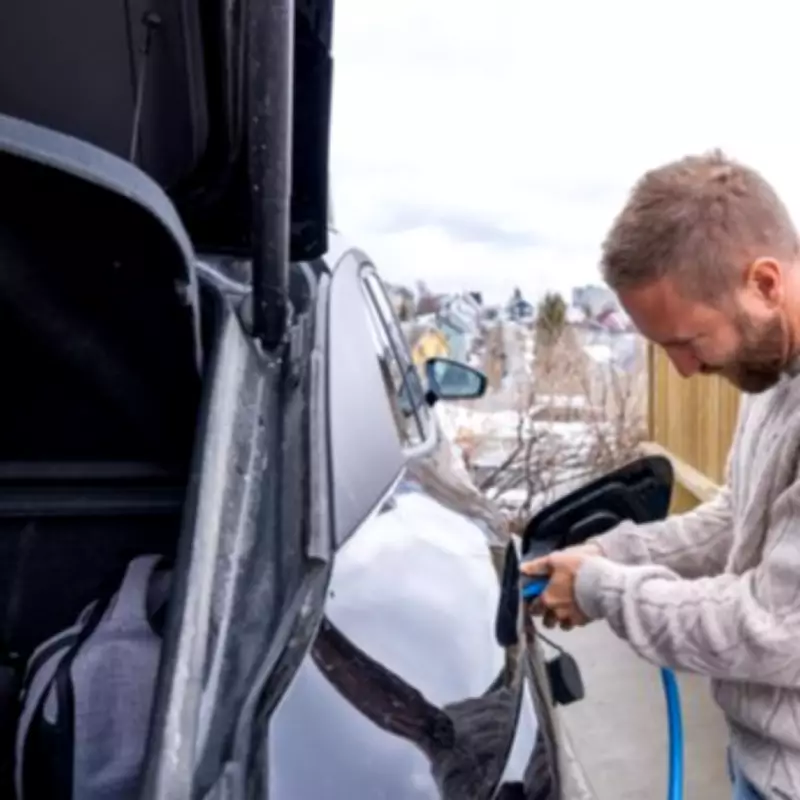
In response to these challenges, the Government has implemented new measures to support electric vehicle adoption. A Department for Transport spokesperson confirmed the government's commitment to helping businesses and individuals make the shift to electric, pouring money into areas such as EV manufacturing and expanding the UK's charging infrastructure. Notably, the government has recently increased the grant available to those without a driveway, such as renters looking to install an EV charger, raising it from £350 to £500.

"Our Electric Car Grant is making EVs cheaper and more accessible than ever," the spokesperson stated. "Over 85,000 drivers have already saved up to £3,750 when buying a new EV, and we're saving renters £500 off the cost of installing home chargers unlocking cheaper charging rates for residents – and with global price fluctuations at the petrol pumps, making the switch has never made more sense."
This enhanced support for those without private driveways represents a significant step toward addressing one of the key barriers to electric vehicle adoption in urban areas and among renters. As fuel costs continue to fluctuate unpredictably due to geopolitical tensions, the combination of record EV sales, increased government support, and changing consumer attitudes suggests the automotive market may indeed be approaching a crucial tipping point in the transition toward electrification.