A former Ryanair and Monarch Air boss has warned that holidaymakers face a 'triple whammy' of travel problems this summer, but insists widespread flight cancellations are unlikely. Tim Jeans, former commercial director at Ryanair and later managing director of Monarch Air, spoke after Airports Council International warned of a potential 'systemic' shortage of jet fuel ahead of the peak summer season if the Strait of Hormuz does not reopen within weeks.
Triple Whammy for Airlines
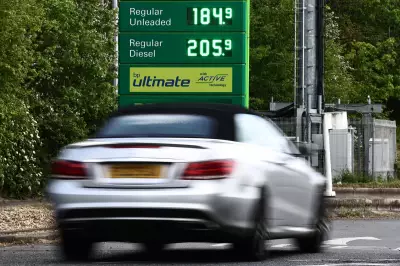
Mr Jeans highlighted three major issues affecting airlines: the conflict in the Middle East causing a massive spike in fuel costs, uncertainty about travel feasibility, and reduced demand due to higher ticket prices. He explained that airlines are now scrutinising their bookings for the next three months to decide whether flights will be profitable.
Schedule Trimming, Not Cancellations
Despite the warnings, Mr Jeans dismissed the idea of widespread cancellations for popular holiday destinations. 'I don't see a situation where flights will get cancelled because of the non-availability of fuel,' he said. He acknowledged that there may be some 'trimming' of schedules, such as reducing the frequency of flights on certain routes, but stressed that passengers booked to go to Majorca or Malaga are unlikely to see their flights cancelled outright.

If an airline operates multiple daily flights between the same locations, they might cut five down to four, or four down to three, he added. However, he ruled out more extensive cancellations, except for flights to the Middle East, where an escalation of conflict could ground planes for safety reasons.
Fuel Supplies and Alternatives
Mr Jeans noted that many airlines have purchased jet fuel well in advance and can source supplies from alternative regions unaffected by the Strait of Hormuz closure, such as the United States. 'We can get jet fuel from places other than the Middle East, and there are changes now in the supply chain, bringing more aviation fuel from the US,' he said.
While acknowledging the seriousness of the situation, Mr Jeans concluded that most airlines are confident they can uplift enough fuel to operate their planned programmes. 'I'm not saying there is no problem, that would be foolish to say that, but I think it is fair to say most airlines will be confident they could uplift enough fuel to fly the programmes they plan to fly,' he added.