The head of the United States Federal Aviation Administration has publicly acknowledged that his agency's systemic failures directly caused a catastrophic mid-air collision that resulted in sixty-seven fatalities. This admission from FAA chief Bryan Bedford follows the official findings released by the US National Transportation Safety Board, which investigated the devastating incident.
Deadliest US Aviation Disaster in Decades
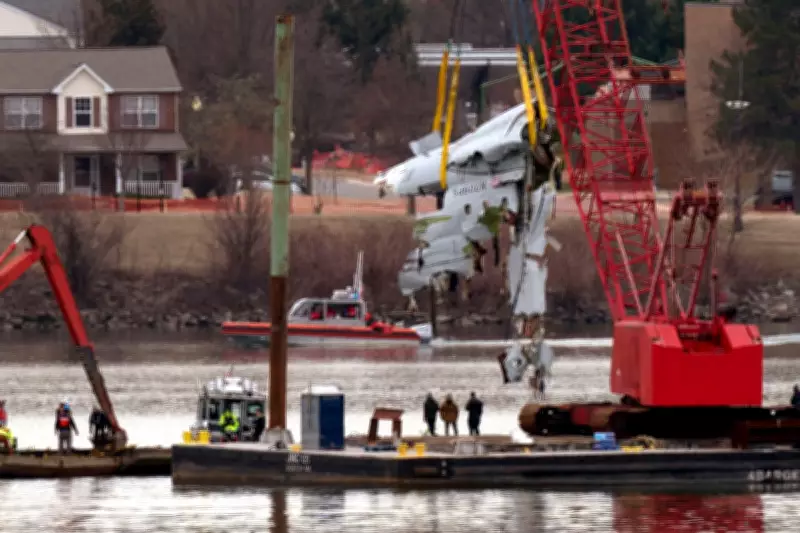
The tragic collision occurred in January 2025 near Ronald Reagan Washington National Airport, involving an American Airlines regional jet and an Army Black Hawk helicopter. This disaster represents the most lethal aviation accident on American soil since the year 2001, marking a grim milestone in US aviation history. All passengers and crew aboard both aircraft perished when the planes collided and plunged into the frigid waters of the Potomac River.
NTSB Investigation Findings
The National Transportation Safety Board concluded last week that the accident originated from the FAA's decision to authorise helicopter operations in close proximity to the busy airport without implementing adequate safety measures to separate them from commercial aeroplanes. The safety board's report further criticised the FAA for neglecting to review crucial operational data and failing to act upon previous recommendations that advocated for relocating helicopter traffic away from this congested airspace.

"We don't disagree with anything that the NTSB has concluded from their investigations. Many of the recommendations have already been put into action. Those that haven't, we're going to evaluate," Bedford stated to reporters during an aviation conference in Singapore.
Systemic Changes and Ongoing Evaluation
In response to the tragedy, the Federal Aviation Administration implemented a permanent regulatory change last week designed to prevent helicopters and aeroplanes from sharing the same airspace around Reagan National Airport. While this represents a significant step forward, the NTSB has indicated it will recommend additional safety measures. Families of the victims have expressed hope that these developments will lead to meaningful and lasting improvements in aviation safety protocols.
The victims of this tragedy included twenty-eight members of the figure skating community who were travelling aboard the American Airlines jet from Wichita, Kansas. The collision has reignited serious concerns about air traffic management and regulatory oversight in one of America's busiest aviation corridors.
Separate Aviation Trade Dispute
During the same briefing, Bedford separately addressed questions regarding potential trade actions against Canadian-made aircraft. He declined to confirm whether the FAA would decertify Canadian planes following recent threats from President Donald Trump, who warned of such action if Canada failed to approve certain models from US private jet manufacturer Gulfstream.
"Our concern is whether or not sufficient resources are being applied to U.S. products equal to the resources that we're applying to certify foreign products. So we just want a level playing field," Bedford explained regarding the certification process.
Canadian officials confirmed last week they were working to resolve this diplomatic dispute after President Trump's threats to decertify and impose tariffs on Canadian-made aircraft caused shares of business jet manufacturer Bombardier to decline by six percent. Aviation industry representatives have warned that if the United States begins decertifying aircraft for economic rather than safety reasons, it could provide other nations with a powerful retaliatory tool and potentially jeopardise the entire global aviation system.
Production Increase Evaluation
In related aviation news, Bedford confirmed that the FAA is currently evaluating a formal request from Boeing to increase monthly production of its best-selling 737 MAX aircraft from forty-two to forty-seven units. This evaluation comes amid heightened scrutiny of aviation manufacturing and certification processes following recent safety concerns within the industry.