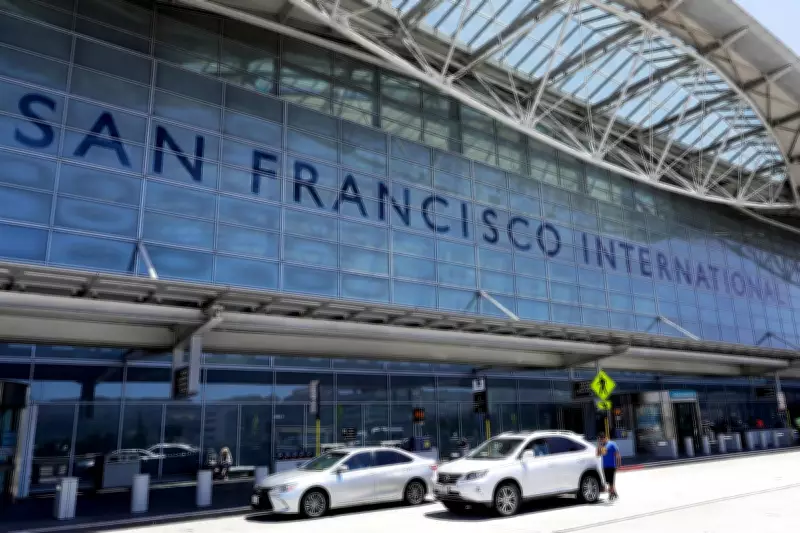
The Federal Aviation Administration (FAA) has implemented a significant reduction in flight arrivals at San Francisco International Airport (SFO), setting the stage for widespread delays over the coming months. This move comes as a response to ongoing runway construction and heightened safety concerns, impacting travel plans for countless passengers.
Immediate Impact on Flight Schedules
Travelers passing through SFO can anticipate that approximately one quarter of all flights will experience delays of at least thirty minutes during the next six months. The FAA's decision, announced this week, cuts arrival capacity by a third, decreasing the hourly rate from 54 planes to just 36. While it remains uncertain whether any flights will be outright cancelled, the reduction is expected to cause substantial disruptions.
Root Causes: Safety and Infrastructure
The delays stem from a combination of factors, including a temporary runway repaving project and a permanent rule change by the FAA. The north-south runways at SFO are currently out of service for six months due to repaving, accounting for nine of the eighteen hourly flight reductions. The remaining nine reductions result from the new FAA regulation, which addresses unique safety issues at the airport.

FAA spokesman Ian Gregor explained that the longstanding practice of landing two aircraft simultaneously on closely spaced parallel runways, which are only 750 feet apart, has been deemed too hazardous. This, coupled with the congested airspace in the San Francisco Bay Area, prompted the regulatory adjustment. Gregor noted that the rule change is specific to SFO and not driven by broader safety concerns following recent incidents, such as the fatal runway crash at New York's LaGuardia Airport in March.
Airline and Airport Responses
United Airlines has stated that it is reviewing the FAA's rule change to determine if modifications to its flight schedule are necessary. A spokesperson for the airline confirmed this via email, highlighting the potential operational adjustments ahead. Meanwhile, SFO officials have not yet detailed how they plan to manage the anticipated delays, leaving passengers in limbo.
The San Francisco Bay Area is served by multiple airports, including San José Mineta International Airport and Oakland San Francisco Bay Airport, which may see increased traffic as alternatives. However, the focus remains on SFO's unique challenges, such as its complex airspace and proximity to other airports, which exacerbate safety risks.
In summary, the FAA's actions at SFO underscore ongoing efforts to balance aviation safety with operational efficiency, but at the cost of significant travel delays for the foreseeable future.