

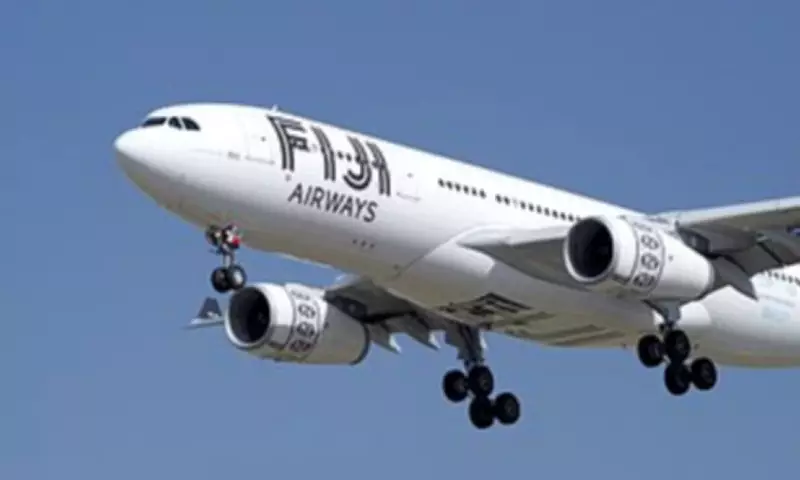
A Fiji Airways flight from Sydney to Fiji was compelled to make an unexpected diversion to Tonga after the severe effects of Tropical Cyclone Vaianu prevented three attempts to land at Nadi Airport. The incident, which occurred on Monday, has highlighted the significant disruptions caused by extreme weather conditions in the Pacific region.
Flight Forced to Reroute Amidst Cyclonic Conditions
Flight FJ914, operated by Fiji Airways, reached the airspace above Fiji but encountered turbulent weather linked to Tropical Cyclone Vaianu. According to data from FlightRadar24, the aircraft was unable to execute a safe landing in Nadi, leading to a sharp turn towards Nuku’alofa, the capital of Tonga, where it eventually touched down. This diversion was a precautionary measure taken by the flight crew to ensure passenger safety amidst the hazardous cyclonic activity.
Passenger Accounts of Turbulent Journey
Passengers on board reported distressing conditions during the flight. One individual told ABC News that the turbulence was so severe that people were vomiting throughout the aisles. The passenger added, 'Fortunately, my kids were pretty good; they sat there half asleep or they were entertaining themselves.' This account underscores the chaotic and uncomfortable experience faced by those on the flight, with many struggling to cope with the rough weather.

Impact of Tropical Cyclone Vaianu on Aviation
Tropical Cyclone Vaianu has been a major factor in disrupting air travel across the South Pacific. The cyclone's intense winds and heavy rainfall created unsafe landing conditions in Fiji, forcing airlines like Fiji Airways to alter their flight paths. This incident serves as a reminder of how weather events can lead to significant operational challenges for aviation, including diversions and delays that affect hundreds of passengers.
As the situation develops, further updates are expected regarding the aftermath of the diversion and the ongoing effects of Tropical Cyclone Vaianu on regional travel. Authorities continue to monitor the cyclone's path to mitigate risks to flights and ensure the safety of all involved.






