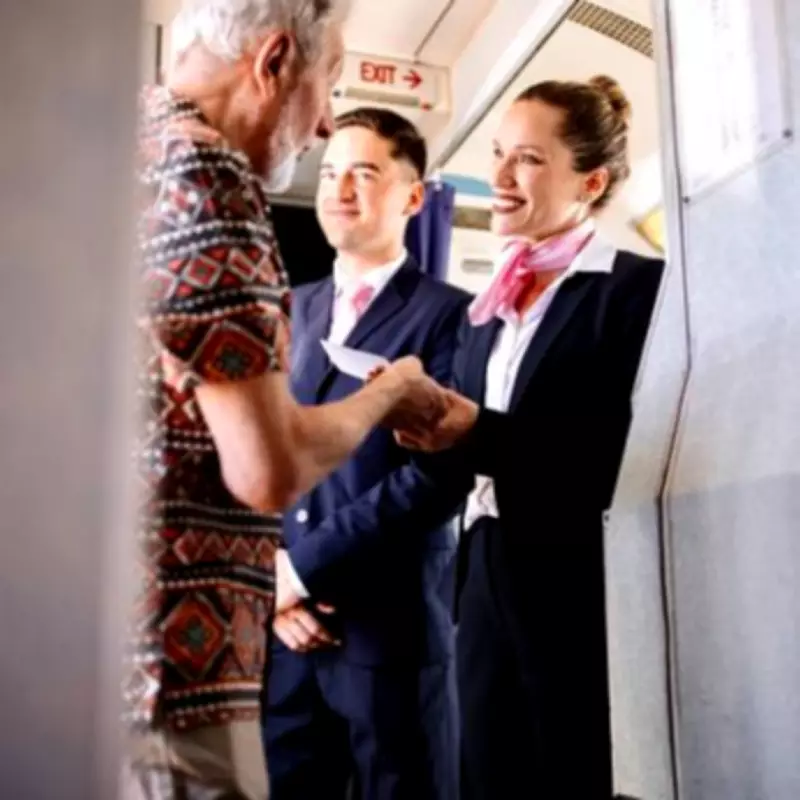
That warm smile and friendly greeting from a flight attendant as you board the plane might appear to be nothing more than basic politeness. Airlines certainly want to ensure boarding feels seamless and welcoming, and a cheerful hello contributes significantly to that positive atmosphere.
The Hidden Purpose Behind the Welcome
Yet this seemingly simple interaction fulfills a function that extends well beyond standard customer service protocols. Every acknowledgement forms part of a careful and intentional element of the crew's comprehensive pre-departure safety procedures.
While travellers settle into their seats and stow their luggage, cabin crew members are simultaneously watching, evaluating, and fulfilling crucial duties long before the aircraft pushes back from the gate.

Trained Observers, Not Just Service Providers
In conversation with aviation specialists Lundy Projects, experienced flight attendant Sarah provided insight into this process. "People often think we're just there to serve drinks and demonstrate safety equipment," she explained. "But we're actually trained observers. The moment you step on that plane, we're reading you like a book. These aren't casual glances—they're systematic assessments."
Why Cabin Crew Are Closely Observing Passengers
From the instant a traveller steps aboard, flight attendants begin monitoring for multiple potential safety concerns and medical situations. They're quietly looking for specific indicators that could signal problems during the flight.
Key Areas of Focus During Boarding
According to aviation safety specialists, this evaluation functions as an "early warning system" that happens within the first moments of passenger boarding. The observations are comprehensive and methodical.
Flight attendants pay careful attention to passengers' physical steadiness during boarding, observing how stable individuals are while walking and whether they display any balance problems. This helps identify indicators of intoxication or potential medical issues that might need addressing before departure.
They also monitor each traveller's emotional condition, watching for visible signs of anxiety, aggression, or distress. Such behaviours can indicate possible disruptions or even panic attacks while airborne, making early identification crucial for cabin crew preparedness.
Additional Safety Assessments
What passengers wear receives scrutiny as well, with crew checking for unsuitable clothing, excessive jewellery, or loose articles that could create safety hazards during turbulence or an emergency evacuation scenario.
Finally, they evaluate how travellers manage their hand luggage, including:
- Bag dimensions and compliance with carry-on restrictions
- Struggles placing items into overhead compartments
- Any potentially forbidden objects within bags
All these observations contribute directly to cabin safety and security protocols, ensuring that potential issues are identified and addressed before the aircraft doors close and the flight begins.