High-Speed Rail Innovations in France and Germany
While the United Kingdom has faced setbacks in its high-speed rail ambitions due to political interference, state-run railways in France and Germany are actively enhancing the appeal of train travel. SNCF and Deutsche Bahn are employing distinct strategies to lure passengers away from cars and airplanes onto fast trains, focusing on affordability and accessibility.
French Railways' Budget Ouigo Brand
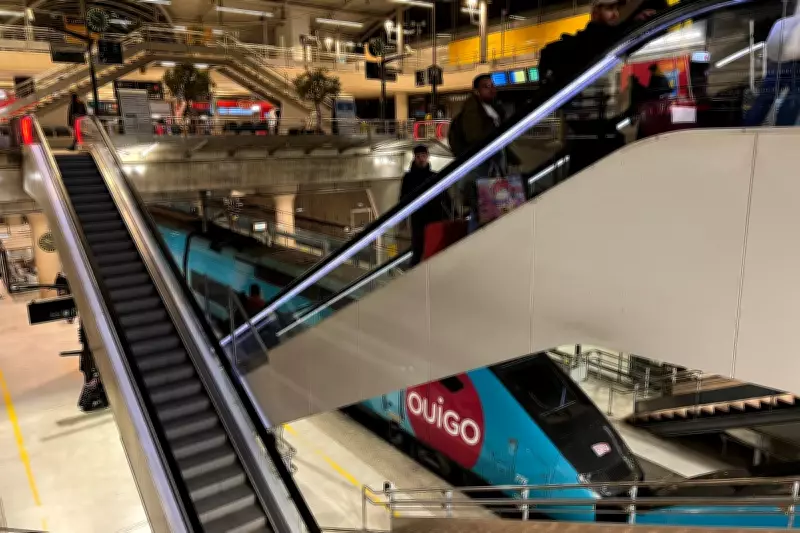
SNCF's budget brand, Ouigo, targets price-sensitive travellers by adapting high-speed TGVs and conventional trains with high-density seating. This approach mirrors no-frills airlines, incorporating strict luggage limits—only a small backpack and a roll-along case are allowed. Passengers must be on the platform at least five minutes before departure, and stations may be located miles from final destinations, such as Aix-en-Provence's outlying station or Marne-la-Vallée near Disneyland Paris.
Additional cost-saving measures include online-only ticket sales with fees for seat selection, mandatory identity checks, no acceptance of railcards, and a flat €8 fare for children. Notably, tickets are non-refundable, but SNCF has introduced Ouigoswap, a feature allowing passengers to resell tickets if they cannot travel due to illness or other reasons.

How Ouigoswap Works
The principle behind Ouigoswap is straightforward: if a passenger falls ill or faces unexpected issues, they can list their ticket for sale via a mobile app. However, successful resale depends on the train being fully booked, as SNCF aims to avoid revenue loss from empty seats. Prospective buyers can purchase secondhand tickets or join a waiting list, receiving notifications when tickets become available.
Sellers receive an 80% refund as an Ouigo voucher valid for one year, offering a partial recovery compared to total loss. This model could inspire low-cost train operators like Lumo and even airlines such as Ryanair and Jet2, which currently lack mechanisms for reselling unused tickets on flights with unsatisfied demand.
Deutsche Bahn's Youth Travel Initiative
In Germany, Deutsche Bahn is enticing younger travellers with a special deal: anyone under 27 can access high-speed ICE trains for a flat rate of €44 for 44 hours. This offer is valid from 6pm on Fridays to 2pm on Sundays during February and March, aiming to fill empty seats on weekends. Passengers can take any number of long-distance journeys within Germany without advance booking, simply boarding as needed.
Despite ongoing issues with delays and cancellations on German trains, this initiative represents a positive step towards innovation. For travellers of all ages not in a rush, the Deutschland Ticket remains a standout public transport deal in Europe, rivaled only by Luxembourg's fare-free system.
These efforts by French and German railways highlight a commitment to making train travel more flexible and appealing, contrasting with challenges faced elsewhere in Europe.