Aviation Fuel Rationing: A Hypothetical Crisis for UK Airlines
The term "jet fuel cliff" is not a reference to an employee at fuel depots serving major airports like Heathrow, Gatwick, or Manchester. Instead, it describes a potential collapse in Jet A-1 fuel supplies across Europe, Asia, and other regions, sparking concerns in aviation circles. With fuel shipments potentially disrupted, attention turns to how airlines might cope if supplies begin to dry up.
Current Fuel Supply Status and Early Cancellations
It is crucial to note that this analysis is speculative. A spokesperson from the Department for Energy Security and Net Zero confirmed that jet fuel shipments continue to arrive in the UK, with imports from India, the US, the Netherlands, and other countries. However, flight cancellations have already started on routes such as London Gatwick to Newquay operated by Skybus and English airports to Guernsey on Aurigny.
These groundings are partly due to reduced demand and soaring fuel costs. Jonathan Hinkles, managing director of Skybus, stated it is "neither environmentally nor economically sound" to fly with low passenger numbers. While these cuts are voluntary so far, airline executives express uncertainty about supplies beyond April.

Potential Impact on Major Airlines
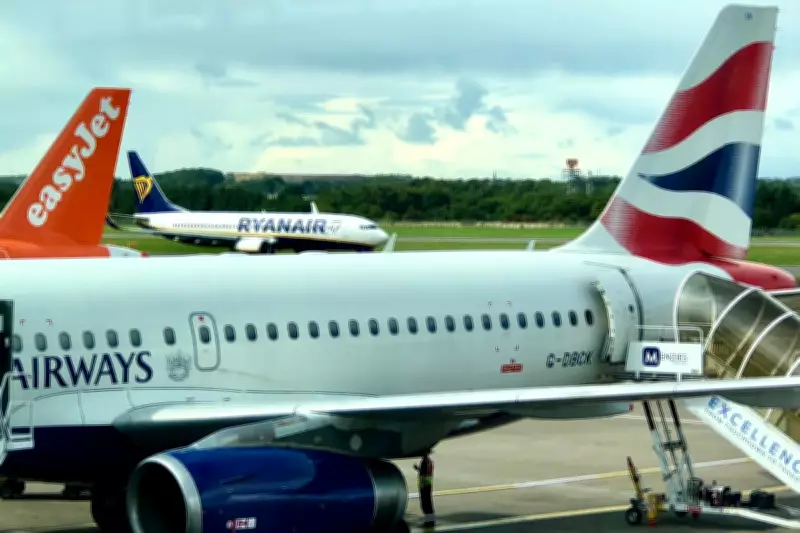
In a hypothetical scenario where airlines are asked or compelled to reduce fuel consumption by one-fifth, passengers on the three largest carriers—British Airways, easyJet, and Ryanair—could face significant disruptions.
British Airways has experience with schedule reductions, often during adverse weather at Heathrow. If fuel rationing occurs, domestic routes and short-haul flights to cities like Amsterdam, Barcelona, Geneva, Milan, Nice, or Stockholm might see cancellations, with passengers rebooked on alternative flights. Long-haul services, such as the eight daily flights to New York JFK, could also be affected, though this might cause less severe trip disruptions.
EasyJet, as Britain's biggest budget airline, could target high-frequency routes for cuts. For example, its five or six daily flights between Gatwick and Malaga or Manchester to Amsterdam (with up to six flights each way daily) are obvious candidates. However, less frequent routes like Newcastle to Antalya (twice weekly) or Belfast International (three times a week) pose greater challenges, as changing travel dates multiplies inconvenience for passengers.
Ryanair, Europe's largest budget airline, has prior experience with large-scale cancellations, such as during the winter of 2017-18 due to pilot roster issues. The carrier could make manageable cuts on high-frequency routes, like Stansted to the Barcelona area, which includes eight daily flights to Girona, Reus, and Barcelona, allowing for passenger shuffling without major trip wrecks.
Consequences for Passengers and Airlines
If this scenario unfolds, most passengers whose flights are cancelled would not be severely affected, as airlines would aim to rebook them on alternative services. However, airlines would face unhappiness from forced groundings, and fares could rise sharply as late-bookers scramble for limited seats. Under air passengers' rights rules, if a flight is cancelled, the airline must arrange seats on any available carrier to reach the destination on the intended travel day.
To summarise, while the hope is that fuel rationing remains hypothetical, travellers should consider booking summer flights early to avoid potential disruptions and higher costs.