Aviation's Post-War Path: How Gulf Peace Will Reshape Air Travel
Plane Talk: Before conditions improve, the aviation industry is poised to face further challenges. Simon Calder, Travel Correspondent, analyses the implications of the recent ceasefire in the Iran war, announced on Wednesday 08 April 2026.
With an 11th-hour deal between the US and Iran, the geopolitical landscape in the Middle East has shifted irreversibly. Airlines and passengers cannot simply return to the pre-conflict era that ended on 27 February 2026. This assessment explores how the past 40 days of turmoil will influence air travel over the next 40 days and beyond, assuming a lasting peace agreement is secured.
Fuel Shortages: A Lingering Crisis
While hopes are high that the ceasefire will stabilise, allowing tankers to navigate the Gulf of Hormuz freely, jet fuel shortages across Europe and Asia are intensifying. Ships laden with crude oil and refined aviation fuel face weeks-long journeys to western Europe, not mere days. Empty tankers awaiting entry into the Strait must compete fiercely for supplies, where financial leverage outweighs traditional commercial ties.

High fuel prices will drive efforts to normalise operations, with shortages likely to dissipate by the summer peak in July. However, infrastructure damage on both sides of the Gulf means supply levels will not rebound to pre-war scales swiftly.
Oil Price Shock and Fare Increases
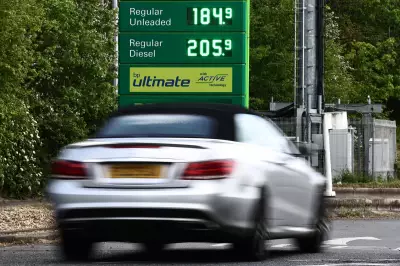
The short-term oil price surge is expected to ease, but crude oil and aviation fuel costs will settle above pre-27 February levels. Attacks on docks and refineries have curtailed supply, while pent-up demand from travellers booking summer holidays will push fares higher on many routes. Passengers will encounter significantly elevated prices, reflecting both fuel costs and constrained aviation capacity.
Airspace Closures and Flight Diversions
A temporary ceasefire alone will not restore confidence among aviation authorities, airlines, and airports. Reopening hubs without restrictions requires assurance that missile and drone threats have ceased. Flight plans may retain long diversions over Iraq and Iran for weeks, prolonging journey times and exacerbating fuel consumption. The Foreign Office must also lift no-go warnings for Gulf hub layovers to rebalance the market.
Recovery of Middle East Carriers
The major Gulf airlines—Emirates, Etihad Airways, and Qatar Airways—are grappling with operational recovery. Emirates leads the pack but still falls short of its normal six daily Airbus A380 flights between London Heathrow and Dubai. Etihad and Qatar Airways lag further, though their simpler networks could facilitate a quicker rebuild. Regional carriers like Air Arabia and FlyDubai may recover faster than Gulf Air and Kuwait Airways.
European and Asian airlines, which swiftly cut Gulf routes, will be slow to return, having reallocated resources to more profitable markets. This temporary absence of competitors offers Gulf carriers a window to regain footing.
Fare Dynamics and Travel Advice
Fares between Europe and Asia will decline as Middle East airlines resume operations, potentially sparking a fares war by early autumn to recoup losses from the Iran War. For winter trips to Asia, Africa, or Australasia, delaying bookings until September or October is advisable. However, for peak Christmas and New Year travel, securing favourable fares now is recommended.
Tourism Deals in the Gulf
Destinations like the UAE and Qatar, eager to revive tourism, will offer exceptional deals, particularly on all-inclusive packages. Airlines and hotels may employ opaque pricing strategies to discreetly lower costs, benefiting both industries without publicising steep discounts.