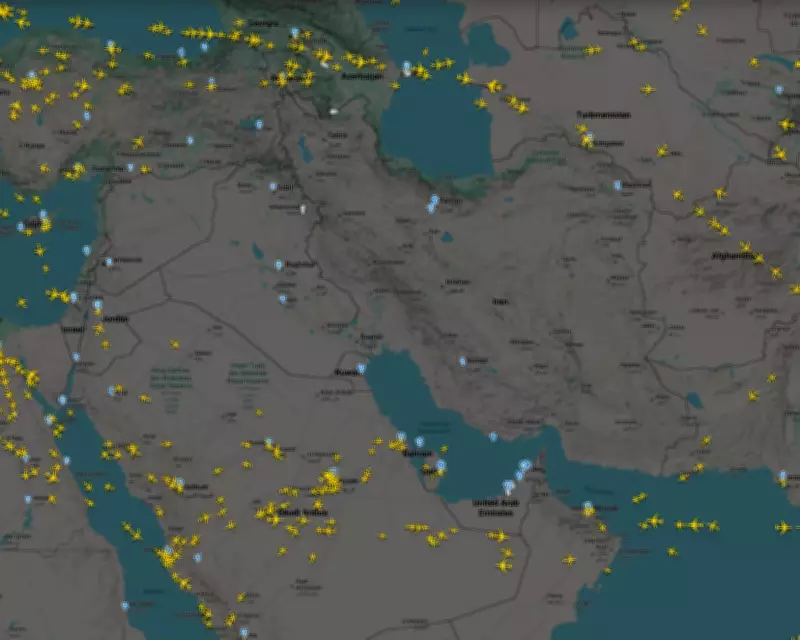
Escalating military tensions in Iran have triggered widespread disruptions to global air travel, with numerous airlines cancelling or delaying flights as safety concerns mount. The conflict, which involves regional and international forces, has forced carriers to reroute aircraft away from affected airspace, leading to significant operational challenges and passenger inconvenience.
Major Airlines Ground Flights Amid Safety Fears
Several leading international airlines, including those from Europe, Asia, and the Middle East, have suspended services to and over Iran due to the heightened risk of airspace incursions and potential security threats. This precautionary measure has resulted in a cascade of cancellations, particularly on routes traversing the Middle East, with passengers facing last-minute changes and extended travel times.
Passenger Chaos and Financial Implications
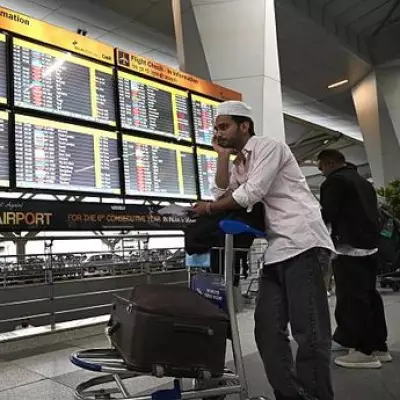
Travellers worldwide are experiencing chaos, with reports of stranded passengers at airports, missed connections, and uncertainty over rescheduled flights. The aviation industry is also grappling with substantial financial losses, as grounded aircraft and rerouted flights incur extra costs, while airlines scramble to implement contingency plans and communicate updates to affected customers.

Global Aviation Authorities Issue Warnings
In response to the conflict, global aviation authorities, such as the International Civil Aviation Organization and national bodies, have issued advisories urging airlines to avoid Iranian airspace. These warnings emphasise the potential for miscalculations or accidental engagements that could endanger civilian aircraft, underscoring the severity of the situation and its impact on international travel norms.
Long-Term Effects on Air Travel Routes
Experts warn that the disruptions could have lasting effects on air travel routes, as airlines may permanently alter flight paths to circumvent the region, leading to increased fuel consumption and longer journey times. This shift could reshape global aviation logistics, affecting everything from cargo shipments to tourism, with economic repercussions felt across multiple sectors.
As the conflict in Iran continues to evolve, the aviation industry remains on high alert, with stakeholders monitoring developments closely to mitigate risks and restore normal operations. Passengers are advised to check with their airlines for the latest updates and prepare for ongoing volatility in flight schedules.