Middle East Conflict Triggers Jet Fuel Supply Crisis for UK Airlines
The ongoing war in the Middle East has created significant turbulence for the aviation industry, with several airlines already adjusting prices for checked baggage and tickets due to mounting fuel pressures. Approximately 40 percent of Europe's jet fuel is traditionally sourced from the Strait of Hormuz, a critical shipping lane that is now nearly completely closed. This disruption has forced the United Kingdom to rely on indirect supplies via countries like Belgium and the Netherlands, while the last known shipment from the Middle East is expected to arrive imminently.
Government Assurance Amid Growing Uncertainty
A spokesperson for the Department for Energy Security and Net Zero recently told the Daily Mail that 'Jet fuel shipments are continuing to arrive in the UK', highlighting imports from India, the United States, and the Netherlands, alongside smaller contributions from other nations. However, with the Strait of Hormuz remaining largely inaccessible, the future of this major fuel source remains uncertain, raising concerns about potential shortages and operational challenges for carriers.
Expert Analysis on Potential Airline Responses
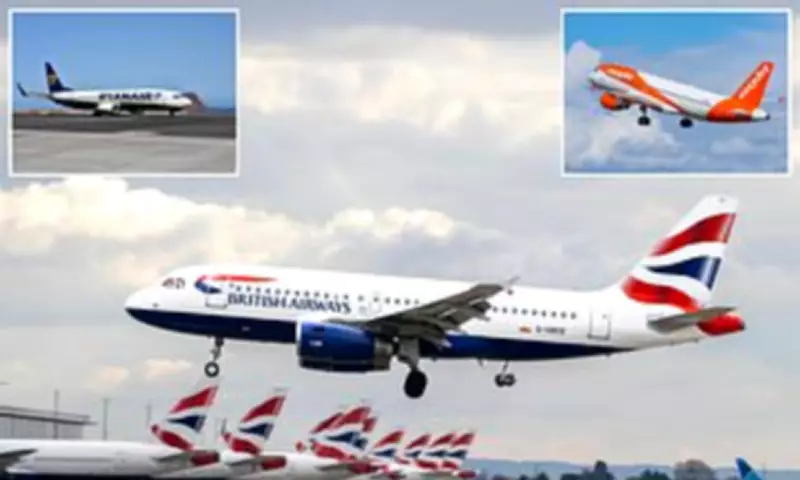
Travel expert Simon Calder, writing in the Independent, has examined how British Airways, Ryanair, and easyJet passengers could be affected by possible jet fuel rationing. Calder explored a hypothetical scenario where airlines might need to reduce fuel consumption by one fifth, outlining varied strategies each carrier could employ.

British Airways is noted for its preparedness, having experience in cutting flights at London Heathrow's request during poor weather. The airline often cancels European routes, such as those to Amsterdam or Nice, offering passengers rebooking options. Calder predicts this flexibility could easily extend to long-haul destinations if fuel reductions become necessary.
Ryanair faces its own challenges, with CEO Michael O'Leary warning of potential disruptions starting in 'early May'. In a Sky News interview, O'Leary stated, 'But if the war continues, we do run the risk of supply disruptions in Europe in May and June'. Calder suggests the budget airline could make 'tolerable' cuts to frequent routes, such as Stansted to Barcelona, drawing on past experiences like the 2017 cancellation of 20,000 flights due to pilot roster issues.
easyJet could also implement cuts, particularly on routes with multiple daily flights, like Manchester to Amsterdam, which operates six times each way. However, less frequent journeys, such as Newcastle to Antalya running twice weekly, pose greater challenges for travellers due to limited alternatives.
Real-World Impacts and Expert Warnings
Some airlines have already felt the effects of the conflict. Regional carrier Skybus recently ended its daily Newquay to London service early, citing a 'huge rise in the cost of fuel following the war in the Gulf' and a significant drop in bookings. Managing director Jonathan Hinkles emphasised that continuing with reduced passenger numbers was neither environmentally nor economically sound, with affected passengers receiving full refunds.
Former airline captain Emma Henderson MBE told the Daily Mail that the situation could escalate to a point where there is simply 'not enough' fuel, noting that some European airports have already run out. She advised, 'I don't think people need to panic about their summer holidays being cancelled but I think we all need to be aware of what's going on'.
Long-Term Implications and Passenger Advice
Henderson predicts that long-haul flights, being more fuel-intensive and less cost-effective, are likely to be impacted first by shortages. If the situation persists, airlines may need to reduce capacity, potentially affecting flight availability and costs. While large airlines hedge fuel prices, offering some protection until 2026, Henderson cautions that this is only beneficial if fuel can physically be imported.

She encourages travellers to plan ahead and consider alternative travel methods, such as sea or land routes, adopting an adaptable mindset. 'I'm thinking of it as a possible adventure rather than a blockage', she remarked, highlighting the importance of flexibility in navigating potential disruptions.