

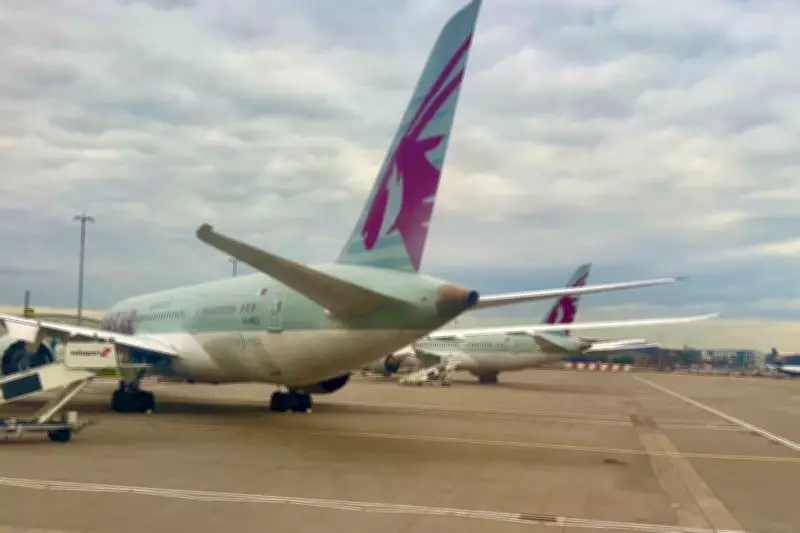
Middle East Air Travel Resumes with Limited Flights Amid Regional Tensions
For decades, Gulf airports have provided cost-effective connections from Britain to destinations across Asia, Africa, and Australasia. However, since the US-Israeli attack on Iran triggered retaliatory strikes against infrastructure in the UAE, Qatar, Bahrain, and Kuwait, airspace closures have become intermittent. Flights to Israel and Jordan have also been impacted, creating significant disruptions for travellers.
Key Airlines and Their Current Operations
The "Middle East 3" – Emirates and Etihad of the UAE, along with Qatar Airways – dominate the region in terms of scale. Gulf Air, based in Bahrain, and Kuwait Airways are smaller but remain significant players. To the west, El Al of Israel and Royal Jordanian serve their respective territories as primary carriers.
According to the latest figures from aviation analyst Cirium, the big three are operating at reduced capacities:

- Emirates: 55% of normal service
- Etihad: 25% of normal service
- Qatar Airways: 15% of normal service
Kuwait Airways is operating in single-figure percentages, while Royal Jordanian maintains about three-quarters of its flights. El Al is running at approximately a quarter of its usual strength. Gulf Air has adopted an innovative approach by establishing a hub at Damman in Saudi Arabia, with road connections to its main base in Bahrain, offering limited flights from London Heathrow.
Airlines' Statements and Future Plans
Etihad has confirmed it is "currently operating a limited commercial flight schedule between Abu Dhabi and a number of key destinations." The airline advises passengers not to travel to the airport unless contacted directly or holding a confirmed booking. In a move reminiscent of the Covid era, Etihad is offering free cancellation for bookings made for travel up to March 2027.
Emirates allows passengers booked up to 15 April 2026 to postpone their trips until 31 May 2026 or receive a full refund. The airline states, "We continue to monitor the situation, and we will develop our operational schedule accordingly," urging travellers to check flight status regularly.
Qatar Airways encourages passengers to "plan your travels again with limited flights resuming," emphasising efforts to support journeys and reunite families. The airline will resume full operations once the Qatar Civil Aviation Authority announces the safe reopening of Qatari airspace.
Safety and Insurance Considerations
Gulf airlines, airports, and aviation authorities assert that flying is safe. Emirates highlights, "The safety and security of our passengers and crew remain our highest priority and will not be compromised." Pilots operating flights in and out of Abu Dhabi and Dubai demonstrate confidence in safe operations, a factor that influenced travel decisions.
However, the Foreign Office advises against all but essential travel to the UAE and Qatar due to intermittent attacks from Iran. This warning has critical implications for travel insurance. Standard policies typically state that coverage is void for claims linked to the reason for the Foreign Office's advice. For instance, if an injury results from an event related to the Iran conflict at the airport, medical expenses would not be covered. In such unlikely scenarios, UAE and Qatari authorities would likely provide care free of charge.
Conversely, incidents like lost belongings or injuries from tripping at the airport fall under normal policy terms. This partial insurance withdrawal applies only while on the ground in the UAE; full coverage resumes once the aircraft takes off.
Alternative Transit Hubs and Regional Developments
Reports from Sri Lanka indicate discussions with Emirates and Qatar Airways about using Colombo airport as an alternative transit hub. Colombo is 2,040 miles from Dubai and slightly farther from Doha, offering a potential workaround for disrupted routes.
As tensions persist, travellers must weigh the risks and benefits of flying through the Middle East. While options are opening up for urgent travel, adherence to Foreign Office guidance and careful insurance review are essential for safe and protected journeys.






