Norway's Electric Vehicle Triumph Provides Roadmap for Global Transition
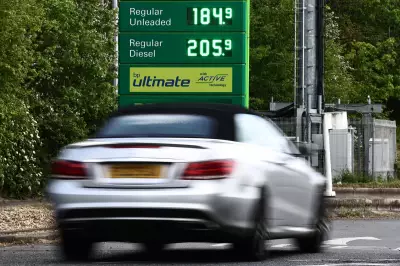
With global petrol prices reaching unprecedented levels and the spectre of fuel rationing looming, nations worldwide are urgently seeking sustainable transport alternatives. In this context, Norway's remarkable success with electric vehicle adoption offers valuable lessons for countries struggling to accelerate their own transitions away from fossil fuel dependency.
The Fuel Price Crisis and Electric Vehicle Opportunity
Recent attacks on Middle Eastern energy facilities have triggered a dramatic surge in oil prices, with Brent crude crossing $114 per barrel – the highest level since February's conflict escalation. This increase follows Iranian missile strikes on Qatar's Ras Laffan liquefied natural gas field, with energy analysts warning that consumers will soon feel the impact at petrol pumps worldwide.
This price surge, combined with potential shortages and rationing measures, has renewed interest in electric vehicles as a practical alternative to traditional combustion engines. The timing highlights the strategic importance of Norway's pioneering approach to EV adoption, which has positioned the Scandinavian nation as a global leader in sustainable transport.

Norway's Extraordinary EV Milestones
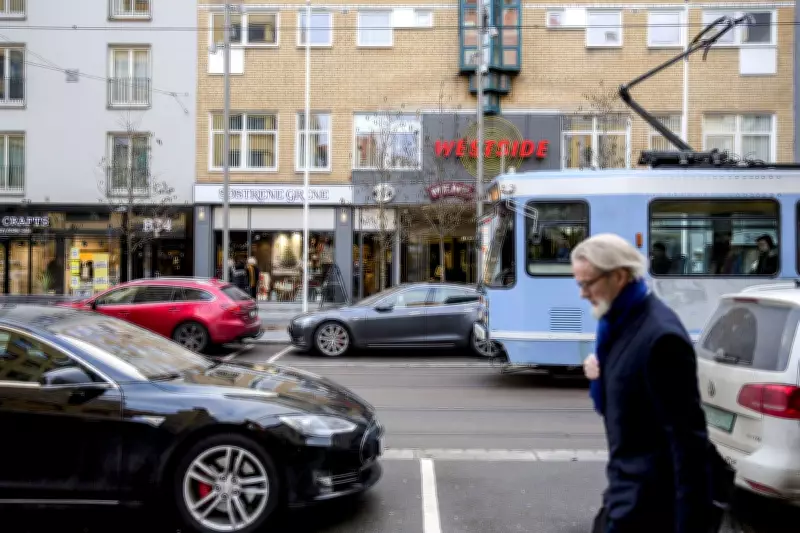
Norway recently celebrated passing the one million electric vehicle milestone – an extraordinary achievement for a country with just 5.6 million inhabitants. This represents approximately one-third of all passenger cars on Norwegian roads, giving the nation the world's highest proportion of electric vehicles.
By comparison, the United Kingdom, with a population of 69.5 million, has approximately 1.85 million fully electric cars – representing just 23% of new car sales compared to Norway's staggering 97.6% in December.
At Møller Bil, the main Volkswagen, Audi and Skoda dealer in Stavanger, general manager Jan Olav Fikstvedt expressed surprise at the speed of transition. "We haven't sold a non-electric car since last year, which is surprising," he noted, highlighting how completely electric vehicles have dominated the Norwegian market.
Policy Framework Driving Rapid Adoption
Norway's dramatic transformation has been strongly linked to a comprehensive package of government incentives designed to make electric vehicles the obvious choice for consumers. These include:
- A 30% discount on road tolls (previously 100% when policies began)
- Permission to drive in bus lanes in most areas
- Complete exemption from VAT on electric vehicle purchases
Cecilie Knibe Kroglund, Norway's state secretary for transport, explained: "Electric vehicles have become a natural choice, and we have made them attractive and easy to use. Norway has shown that a clear political direction can work."
Christina Bu, secretary general of the Norwegian EV Association, described the cultural shift: "It's very much the new normal now. Everyone has been surprised that things could change this quickly. We met a lot of scepticism early on, but it's actually quite uplifting to see how much people's views have changed."
Avoiding Political Polarisation
One significant factor in Norway's success has been the avoidance of electric vehicles becoming entangled in broader culture wars – a contrast to the United Kingdom where the Reform UK party has pledged to end EV subsidies and scrap the 2035 ban on new petrol and diesel cars.
Norway's most right-wing party, the Progress Party (FrP), has generally supported the country's EV initiatives. Bu noted that while other nations have politicised electric vehicles, Norway managed to advance significantly before such polarisation emerged globally.
"We've seen a little of that in Norway, but we're nowhere near what is going on in other countries," she observed, adding that even FrP politicians now drive electric vehicles.
Economic and Infrastructure Advantages
Several economic factors have contributed to Norway's EV leadership. While installation costs for home chargers are similar in both Norway and the UK (approximately £1,000), electricity costs differ substantially – 11-12p per kWh in Norway compared to 24.7p per kWh in Britain.

Additionally, Norway's average salary of £53,147 exceeds Britain's £37,430, making electric vehicles more financially accessible. The country's renewable energy infrastructure provides another advantage, with 98% of domestic energy coming from renewable sources (primarily hydroelectric) compared to approximately 50% in the UK.
Lise Helset Eide of Naturvernforbundet, Norway's oldest environmental protection organisation, noted an important cultural effect: "Driving a Tesla isn't a status symbol like it is elsewhere. People who maybe weren't so interested in the environment start to feel like they are doing something good, which can positively impact their other decisions."
The Norwegian Paradox and Global Lessons
Despite its EV leadership, Norway faces what Eide describes as "collective cognitive dissonance" regarding environmental credentials. As Europe's top oil producer, generating approximately two million barrels daily, Norway maintains significant economic dependency on fossil fuels even as it leads the transition away from them in transportation.
"Because of things like our success with EVs, Norwegians think we are an environmentally friendly country," Eide explained. "The perception of the country's dependency on oil remains, and we still have climate sceptics – especially in Stavanger!"
Nevertheless, Norway's experience demonstrates that transitioning from fossil fuel vehicles need not be as challenging as often portrayed. As Bu summarised: "In Norway, ICE cars have been pretty much taxed out of business. So you have to be quite rich or have a very special need to choose something else."
For nations now facing fuel price crises and supply uncertainties, Norway's electric vehicle journey offers both inspiration and practical guidance for accelerating sustainable transport adoption through coherent policy, financial incentives, and efforts to maintain political consensus around environmental transitions.