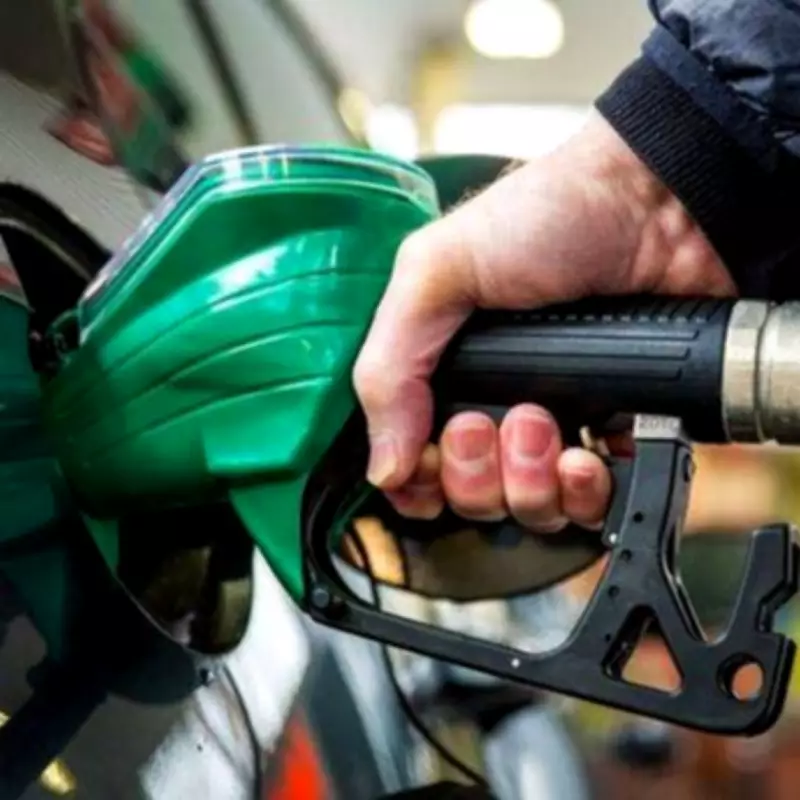
Motorists across the United Kingdom are now facing running costs of approximately 16p per mile for petrol vehicles, according to the latest industry analysis. This calculation emerges as fuel prices have dropped to their lowest point in five years, creating a complex landscape for drivers balancing savings at the pump against overall motoring expenses.
Current Fuel Price Landscape
The most recent data from the RAC reveals that average forecourt prices currently stand at 131.9p per litre for unleaded petrol and 140.7p for diesel. Throughout January and into early February, both fuel types have seen significant reductions of around 3p per litre compared to the previous month's figures.
Analysis from motoring and insurance website Nimblefins indicates that UK petrol cars typically achieve an average fuel economy of 36 miles per gallon. When calculated against current pump prices, this translates to a running cost of approximately 16.54p per mile for petrol vehicles, excluding additional expenses such as maintenance, insurance, and depreciation.

New Fuel Price Transparency Scheme
This financial reality for drivers coincides with the launch of a significant new government initiative designed to increase transparency in the fuel market. Under new regulations that came into effect this week, all petrol stations across the country are now legally required to report pump price changes to a central government database within 30 minutes of any adjustment.
The scheme, known as Fuel Finder, aims to make it substantially easier for motorists to locate cheaper petrol and diesel options in their local area. Third-party fuel price comparison apps and websites can now access this real-time data, providing drivers with unprecedented visibility of pricing across different forecourts.
Industry Reaction and Potential Impact
Edmund King, president of the AA, welcomed the new transparency measures, stating: "For too long, UK drivers have been hostage to the whims of fuel retailers and not being able to see that a far-lower pump price could be found just down the road."
He continued: "Fuel station owners who priced below the artificially high levels of nearby rivals but had little way of getting that message out to potential customers now have the means to do so. Like in Austria, France and other parts of Europe, the AA believes a shake-up of UK pump prices will happen."
King predicted that drivers would increasingly use mobile phones, smart devices, and eventually in-car information screens to compare fuel prices and choose where to purchase cheaper fuel at the most convenient locations.
The government has also issued new guidance that includes instructions for drivers to report any discrepancies they notice between actual forecourt prices and the figures displayed online through the new system.
Electric Vehicle Road Pricing Developments
Separately, the government has announced plans for a new pay-per-mile levy specifically targeting electric vehicles. Chancellor Rachel Reeves revealed proposals to introduce a 3p-per-mile charge for EVs, scheduled to come into force from 2028 following a consultation period.
When combined with typical home charging costs, this would place the running expenses of an electric car between 5p and 11p per mile, according to reports. The measure would cost EV owners an average of £250 annually based on typical mileage.
Motoring organisations have expressed concerns that such taxation could potentially deter some people from making the switch to electric vehicles, particularly as the government continues to promote the transition away from petrol and diesel vehicles.
Background and Rationale
The Treasury is facing declining fuel duty income as increasing numbers of drivers transition from traditional combustion engine vehicles to electric alternatives. The concept of introducing per-mile charges for driving, often referred to as road pricing, has been a contentious political issue for successive governments.
Under the proposed EV scheme, users would estimate their mileage for the upcoming 12 months and make an additional payment on top of the standard vehicle excise duty (VED). If they exceed their estimated mileage, they would need to top up this amount, while any unused funds would roll over to the following year if they drive less than anticipated.

To illustrate the potential impact, at a rate of 3p per mile, a journey from London to Edinburgh would cost approximately £12, Cambridge to Bristol would be around £5, and Liverpool to Leeds would set drivers back about £2.
Recent Changes to Electric Vehicle Taxation
It is worth noting that as of April 2025, electric vehicles are no longer exempt from road tax, officially known as vehicle excise duty. This represents a significant shift in the taxation landscape for EV owners.
A government spokesperson explained the rationale behind these changes: "Fuel duty covers petrol and diesel, but there's no equivalent for electric vehicles. We want a fairer system for all drivers whilst backing the transition to electric vehicles, which is why we have invested £4 billion in support, including grants to cut upfront costs by up to £3,750 per eligible vehicle."
The spokesperson concluded: "Just as it is right to seek a tax system that fairly funds roads, infrastructure and public services, we will look at further support measures to make owning electric vehicles more convenient and more affordable."
The combination of falling petrol prices, new transparency measures for fuel costs, and evolving taxation policies for electric vehicles creates a complex and rapidly changing landscape for UK motorists as they navigate their transportation choices and expenses in the coming years.