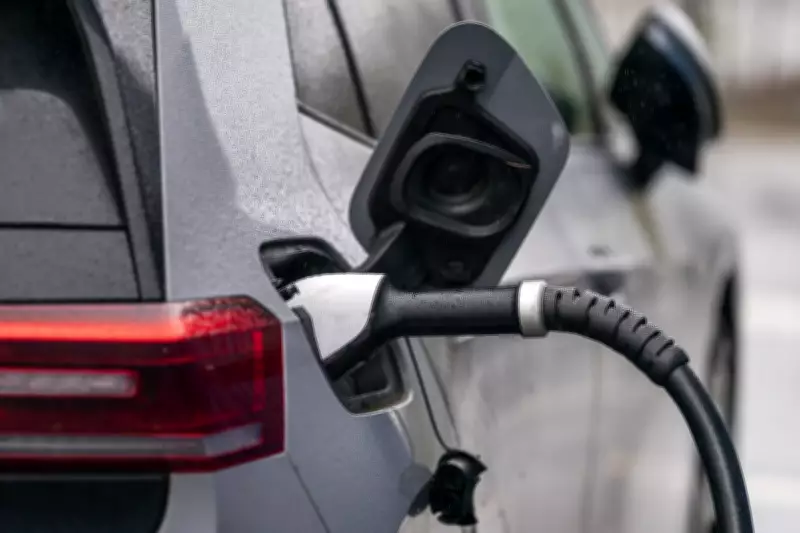
As petrol and diesel prices continue to climb, an increasing number of drivers are turning to electric vehicles (EVs) as a more sustainable and cost-effective alternative. Public charging infrastructure has expanded significantly, with data from February revealing 118,321 charging devices available across 45,561 locations in the UK. This growth provides greater accessibility for EV owners, but navigating the options can be complex without proper guidance.
Understanding Charger Speeds and Types
EV charging speeds vary widely, catering to different needs and time constraints. Rapid chargers, which can deliver over 350kW of power, are designed for quick top-ups, capable of charging a compatible car from 10 to 80 percent in approximately 18 minutes. These are ideal for long journeys or when time is limited. On the other end of the spectrum, slower chargers with speeds between 3kW and 8kW are better suited for overnight use, such as at home or in workplace settings, allowing for a full charge over several hours without urgency.
Locating Charging Points Efficiently
Finding the nearest public EV charging point has become straightforward thanks to various digital tools. Services like Zapmap and Google Maps offer real-time maps showing charger locations, availability, and specifications. Many modern EVs also come equipped with in-built navigation systems that can plan routes, estimate charging times, and direct drivers to compatible charging stations, ensuring a seamless experience on the road.

Strategies for Reducing Charging Costs
Charging costs can add up, especially with high-powered units typically priced around 80p per kWh. However, drivers can employ several strategies to save money. Using operator-specific apps often unlocks discounted rates, as many providers offer lower prices for app users compared to contactless payments. Subscribing to services like Ionity's Power 365 plan can provide access to reduced tariffs across a network of chargers. Additionally, opting for slower chargers when time permits can be more economical, as they generally come with lower per-kWh costs. While new chargers are legally required to support contactless payment, checking provider apps beforehand is advisable to secure the best deals.
In summary, the rise of public EV charging offers convenience and flexibility, but understanding the nuances of speeds, locations, and pricing is key to maximising benefits. By leveraging technology and planning ahead, drivers can enjoy efficient and affordable electric vehicle usage.