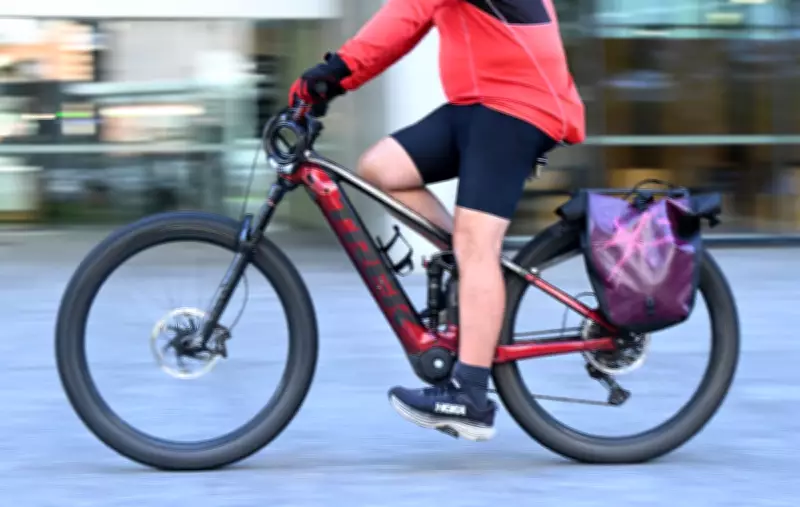
Queensland Introduces New E-Bike Regulations
In a significant move to address growing safety concerns, Queensland has rolled out comprehensive new laws governing the use of electric bicycles, commonly known as e-bikes. These regulations, which came into effect recently, introduce specific age restrictions, speed limits, and licensing requirements for riders across the state. The changes are designed to mitigate risks associated with the increasing popularity of e-bikes, particularly in urban areas where interactions with pedestrians and other road users have raised alarms.
Key Provisions of the New Laws
The new legislation sets clear guidelines for e-bike usage, with several critical components aimed at enhancing public safety. Firstly, age restrictions have been established, requiring riders to be a minimum age to operate certain types of e-bikes, especially those with higher power outputs. This measure targets younger users who may lack the experience or maturity to handle these vehicles safely.
Secondly, speed limits have been imposed, capping the maximum speed at which e-bikes can travel on public roads and shared pathways. This is intended to reduce accidents and improve harmony between cyclists, pedestrians, and motorists. The limits vary depending on the location, with stricter controls in crowded zones like city centers and school vicinities.

Thirdly, licensing requirements have been introduced for specific e-bike categories, mandating that riders obtain a valid license or permit. This ensures that operators have undergone basic training and understand road rules, thereby promoting responsible riding behavior. The licensing process includes a knowledge test and, in some cases, practical assessments.
Impact on Riders and Communities
The implementation of these laws is expected to have a broad impact on e-bike enthusiasts and the wider community. For riders, the new rules mean adapting to stricter controls, which could involve additional costs for licensing or modifications to comply with speed caps. However, proponents argue that these measures will lead to safer riding environments, potentially reducing injury rates and insurance claims.
For communities, the regulations aim to foster a more orderly use of public spaces, addressing complaints about reckless e-bike use that endangers pedestrians and disrupts traffic flow. Local authorities have emphasized that the laws are part of a broader strategy to integrate e-bikes into Queensland's transport network sustainably, balancing innovation with safety considerations.
Enforcement and Future Outlook
Enforcement of the new e-bike laws will be carried out by police and transport officials, with penalties for non-compliance including fines and potential confiscation of vehicles. The government has also launched an awareness campaign to educate the public about the changes, ensuring that riders are informed and can transition smoothly.
Looking ahead, Queensland plans to monitor the effectiveness of these regulations closely, with potential adjustments based on feedback and accident data. As e-bike technology evolves, policymakers may revisit the laws to keep pace with advancements, ensuring they remain relevant and effective in promoting road safety. This proactive approach underscores Queensland's commitment to adapting its legal framework to emerging transport trends while prioritizing the well-being of all road users.