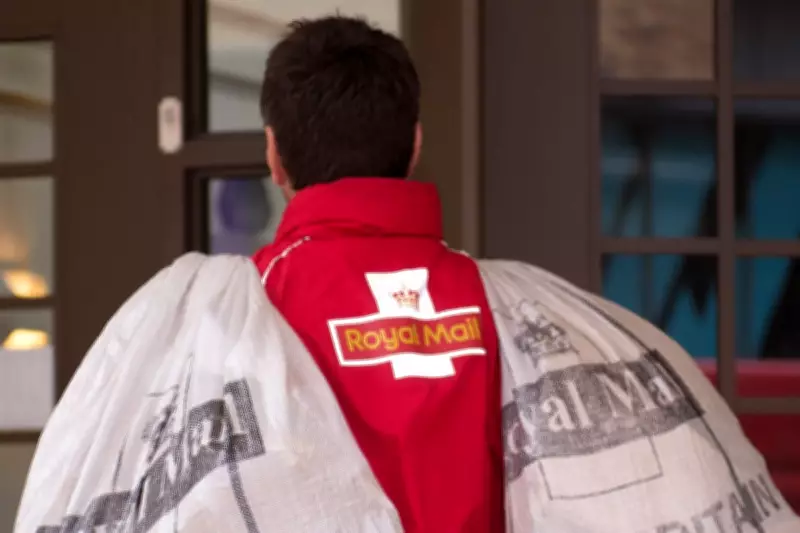
Royal Mail to End Saturday Second-Class Deliveries by December
Royal Mail is set to scrap Saturday second-class letter deliveries across the United Kingdom by December, having reached a pivotal agreement with the Communications Workers Union (CWU) on implementing these nationwide changes. This significant overhaul will see second-class post no longer delivered on Saturdays, with the service adjusted to every other weekday, effectively bringing an end to a prolonged and contentious dispute with union representatives.
Phased Implementation and Union Agreement
The reforms will initially extend to 240 delivery offices as part of a broader trial phase, before being fully rolled out across the entire 1,200-strong UK network by the end of the year. The deal struck with the CWU includes a 4.75% pay rise for staff, alongside improved terms for those who joined Royal Mail on or after 1 December 2022. Employees on legacy contracts will receive a 3% salary increase.
Additionally, Royal Mail has agreed that new starters will be offered contracts based on standard 37-hour working weeks, and approximately 6,000 part-time postal workers will have the option to increase their average weekly hours as part of these changes. CWU members are now set to be formally consulted on the agreement, which marks a critical step toward finalising the implementation.

Regulatory Approval and Operational Challenges
Regulator Ofcom last year gave the green light to Royal Mail's plans to scale back second-class letter deliveries, starting from July 28. The company launched the changes across 35 delivery offices as a pilot programme, but had yet to expand this nationwide due to a disagreement with the union. Intensive talks with the CWU commenced at the beginning of February to resolve the dispute, culminating in this recent agreement.
Under the Universal Service Obligation, Royal Mail must maintain Monday to Saturday deliveries for first-class post and uphold the target for second-class letters to arrive within three working days. The group has argued that the changes to second-class deliveries are crucial to helping it sustain the letter delivery service and ensure it remains financially viable for the future.
Broader Context and Parliamentary Scrutiny
This development comes as Royal Mail has continued to fail to meet delivery targets set by Ofcom, amid mounting concerns from MPs over practices within the postal service. There are persistent worries that parcels are being prioritised over letters, potentially compromising the reliability of essential mail services.
In a cross-party Commons committee session last month, the CWU told MPs that the postal service had become "chaotic", with Royal Mail workers allegedly being instructed to leave doctors' and hospital letters on racks to prioritise parcels. Royal Mail's owner, Daniel Kretinsky, who also gave evidence to the committee, insisted there was no "management decision" for parcels to be prioritised over letters. He argued that the service cannot be adequately fixed until plans for reform of the Universal Service Obligation are firmly put in place.
Statements from Leadership and Union
Alistair Cochrane, chief executive of Royal Mail, stated: "This agreement with the CWU paves the way for Universal Service reform rollout and represents a significant investment in our people. Moving ahead with reform will make a real difference to Royal Mail's quality of service, supporting the delivery of a reliable, efficient and financially sustainable postal service for our customers across the UK."
On the agreement with Royal Mail, the CWU said in a statement to its members: "It is now imperative that all branches, representatives and members have the opportunity and time to fully consider this agreement properly, not only on the basis of how we have moved the company significantly on all the key issues, but also in its wider context around why USO reform is necessary and why we must shift our focus to changing the role of Ofcom and create a level playing field with our competitors. Delivering change will always be difficult but we are clearly in a stronger position to support our members under the terms of this agreement."