Travel Experts Call for Summer Pause on EU's Biometric Border System
Travel industry leaders are urging the European Union to implement a temporary suspension of the new Entry-Exit System (EES) during the busy summer months. The biometric border control process, which has been gradually rolling out across Europe since October 2025, requires non-EU nationals to register fingerprints and photographs upon entering the Schengen Area.
Operational Pressures and Peak Travel Concerns
Julia Lo Bue-Said, chief executive of the Advantage Travel Partnership, has voiced significant concerns about the system's full implementation, currently scheduled for 10 April. 'Introducing EES during the busy summer period risks compounding disruption at a time when customer confidence is so critical,' she told TTG. Lo Bue-Said advocates for a proactive flexible suspension option during peak travel months to manage operational pressures and ensure a smoother experience for travellers.
This recommendation comes as Europe prepares for one of its busiest summers on record. Data from the CAA indicates that 2025 was the busiest summer ever recorded, and the combination of the EES with high travel demand could see this year surpass those numbers.

Industry Warnings of Severe Disruptions
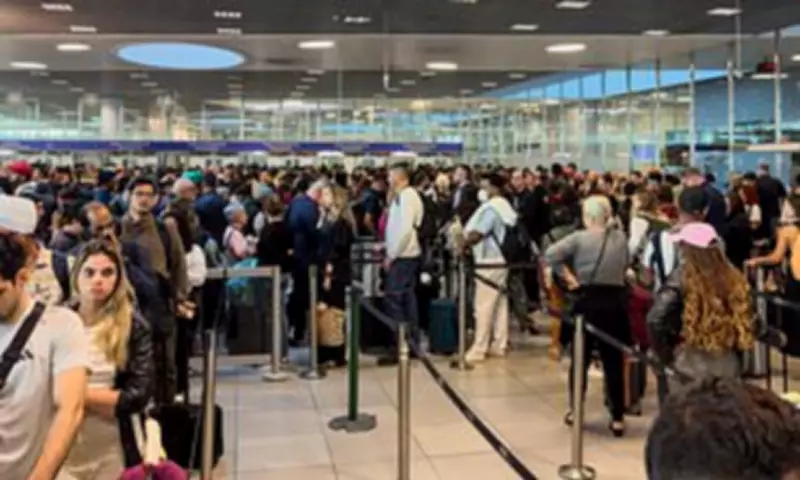
Major aviation bodies, including the International Air Transport Association (IATA), ACI Europe, and Airlines for Europe, have expressed alarm about the system's impact. In a joint letter to European Commissioner for Internal Affairs Magnus Brunner, they warned that the phased introduction since October has already caused 'significant delays' and that queues could stretch to four hours or more this summer if fully implemented.
The biometric processes, which must be completed in person at the border on arrival, have increased waiting times by up to 70 percent according to Airports Council International Europe. This has led to three-hour queues during peak periods, with airports like Lisbon Humberto Delgado Airport being particularly affected.
EU's Flexible Timeline and Industry Demands
Last month, the EU offered 'certain flexibilities' and granted a more flexible timeline for the system's introduction until early September. However, industry groups argue this is insufficient. 'There is a complete disconnect between the perception of the EU institutions that EES is working well, and the reality, which is that non‑EU travellers are experiencing massive delays and inconvenience,' stated ACI Europe, IATA, and A4E in a joint statement.
To prevent severe disruptions, these groups are calling for the European Commission to allow Schengen member states to partially or totally suspend the EES until the end of October. They emphasize the need for authorities to assess operational pressures, ensure consistent readiness across member states, and increase staffing at key border points before scaling up further.
With summer travel demand expected to double, the travel industry remains hopeful that the EU will take immediate action to avoid excessive delays and maintain smooth operations across European airports.