Trump Administration Reinstates Funding for Manhattan Subway After New York Lawsuit
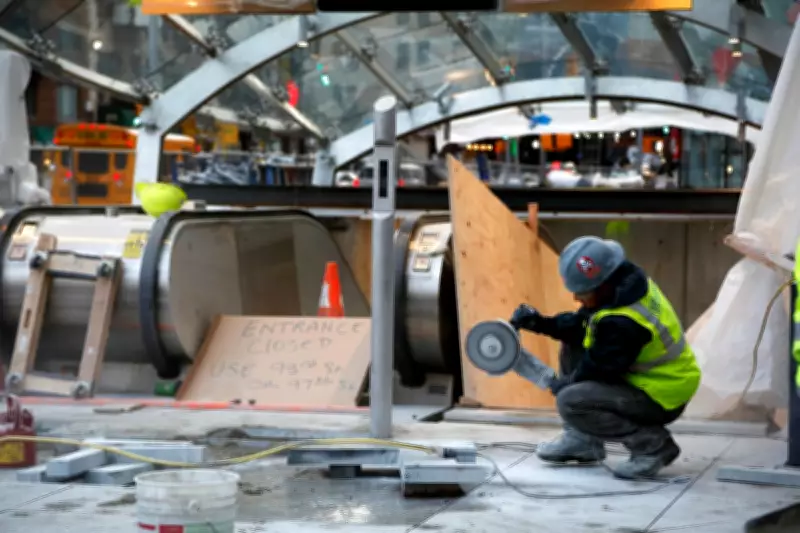
The Trump administration has agreed to resume funding for a critical Manhattan subway project after New York officials filed a lawsuit to challenge the withholding of federal dollars. This decision marks a significant reversal in a contentious seven-month dispute that had stalled progress on the Second Avenue subway line, a major infrastructure initiative on the Upper East Side.
Federal Review Completed and Reimbursements to Resume
In a federal court filing on Thursday, the U.S. Department of Transportation announced it has completed its review of the Second Avenue subway project and will begin reimbursing state transit officials for construction costs once again. The USDOT had previously withheld approximately $60 million from the project during this review period, citing concerns over the use of diversity, equity, and inclusion principles.
Janno Lieber, the CEO of the Metropolitan Transportation Authority, hailed the reversal as a victory for "long-awaited transit justice" in upper Manhattan neighborhoods. He emphasized that the lawsuit should not have been necessary to secure the funding, stating, "It shouldn’t have taken seven months and a lawsuit to get here." The Second Avenue subway project aims to extend service northward along Manhattan’s Upper East Side, providing new stations and improved access to parts of Harlem.

DEI Principles and Taxpayer Concerns at the Heart of the Dispute
The federal Department of Transportation justified its initial withholding of funds by arguing that DEI initiatives were driving up costs on federal projects and were unconstitutional. In a statement, the agency asserted, "This has always been about securing the best deal for the American taxpayer and ensuring their dollars are spent efficiently and fairly." They added that the agreement ensures taxpayers' "hard-earned dollars will not fund unconstitutional DEI initiatives."
During a federal court hearing in Washington, D.C., on Thursday, the MTA countered these claims, arguing that it was already in compliance with federal policies and that the funding should never have been withheld. According to reports from The New York Times, spokespersons for the MTA did not immediately respond to the USDOT's specific allegations, but the state agency maintained its position throughout the legal proceedings.
Broader Context of Transportation Feuds in New York and New Jersey
The dispute over the Second Avenue subway is part of a larger pattern of conflicts between the Trump administration and Democratic leaders in New York and New Jersey. The administration has previously targeted other major transportation projects in the region, including halting billions of dollars in funding for a new rail tunnel between New York and New Jersey. However, a federal judge ordered the resumption of payments for that tunnel project in February.
Additionally, last year, the USDOT rescinded approval for New York's pioneering congestion fee, threatening to pull funding if the state did not abandon the toll on drivers entering Manhattan's busiest areas. A federal judge later ruled that the agency lacked the authority to unilaterally rescind approval of the $9 fee, highlighting ongoing legal battles over federal oversight and state autonomy.
Project Costs and Future Implications
The Second Avenue subway project is estimated to cost $7.7 billion overall, with the federal government covering around $3.4 billion of that total. The restoration of funding is expected to accelerate construction and bring long-awaited transit improvements to underserved communities in Manhattan. As the project moves forward, stakeholders will likely monitor how DEI principles and federal funding policies continue to intersect in infrastructure development.
This resolution underscores the complex dynamics between federal and state authorities in transportation funding, particularly in politically divided regions. With the lawsuit now settled, focus shifts to ensuring efficient project completion and addressing the broader implications for future infrastructure initiatives across the United States.