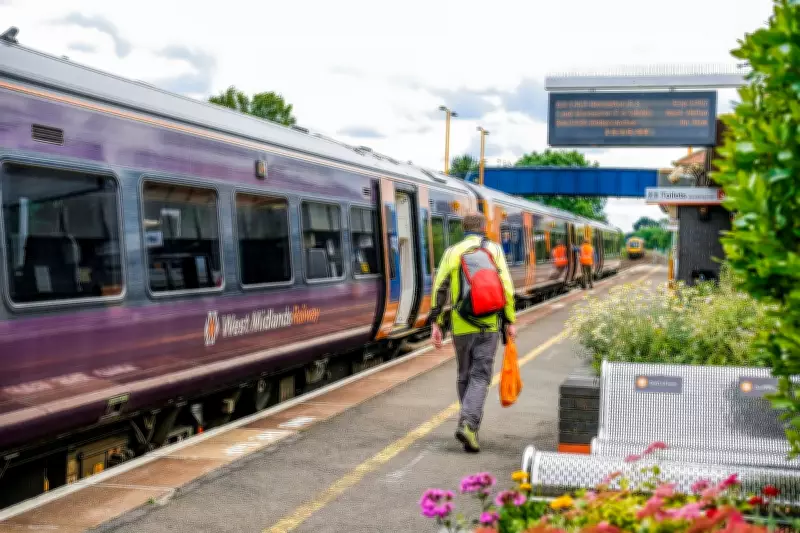
Two additional major rail operators have been transferred into public ownership, bringing the nation closer to the full implementation of Great British Railways. This move represents a substantial shift in the UK's transport landscape.
Latest Operators to Join Public Ownership
London Northwestern Railway and West Midlands Railway, both franchises operated by West Midlands Trains, officially transitioned to public ownership on Sunday, 1 February 2026. This development marks a crucial halfway point in establishing Great British Railways, the new nationalised body designed to replace the current system of predominantly private train companies operating on public infrastructure.
With this transfer, approximately half of all railway journeys that Great British Railways will eventually oversee are now operating under public control. This significant milestone demonstrates the government's commitment to reforming the rail network.

Services Now Under Public Control
The newly nationalised services include London Northwestern Railway's routes connecting Liverpool and Birmingham, along with its operations on the West Coast Main Line to and from London Euston. Meanwhile, West Midlands Railway serves numerous destinations across the West Midlands region via Birmingham New Street and Birmingham Snow Hill stations.
West Midlands Trains becomes the fourth operator to enter public ownership, following previous transfers of c2c, South Western Railways, and Greater Anglia. This progressive nationalisation reflects a broader strategy to create a more unified and passenger-focused rail system.
Government Vision for Rail Reform
The Department for Transport has articulated a clear vision for Great British Railways, promising to establish an integrated rail network that passengers can depend on and take pride in. The department emphasises commitments to reliable, safe, and more affordable journeys for all travellers.
Transport Secretary Heidi Alexander commented ahead of the transfer, stating that thousands of passengers using London Northwestern Railway and West Midlands Railway services will now benefit from publicly owned operations that prioritise their interests. She emphasised ongoing efforts to reform what she described as a fragmented system, aiming to rebuild passenger trust and deliver higher standards across the network.
Regional Leadership Welcomes Changes
Richard Parker, Mayor of the West Midlands, has enthusiastically welcomed the transition of the region's rail network to public ownership. He criticised the previous private franchise model, noting that passengers have endured unreliable and overcrowded trains alongside confusing ticket systems operated by companies that prioritised profits over people.
Mr Parker acknowledged that the government is fulfilling its pledge to take public ownership and address what he termed "broken railways." He pledged to collaborate closely with ministers to enhance services further. The mayor also highlighted parallel progress in bus franchising initiatives, suggesting an opportunity to create a genuinely integrated public transport system offering smooth, reliable, and affordable journeys whether passengers travel by train, bus, or tram.
In related developments, the West Midlands Combined Authority is progressing with plans to purchase National Express's existing bus fleet as part of a franchising system that will return control over bus fares, timetables, and routes to public authorities.