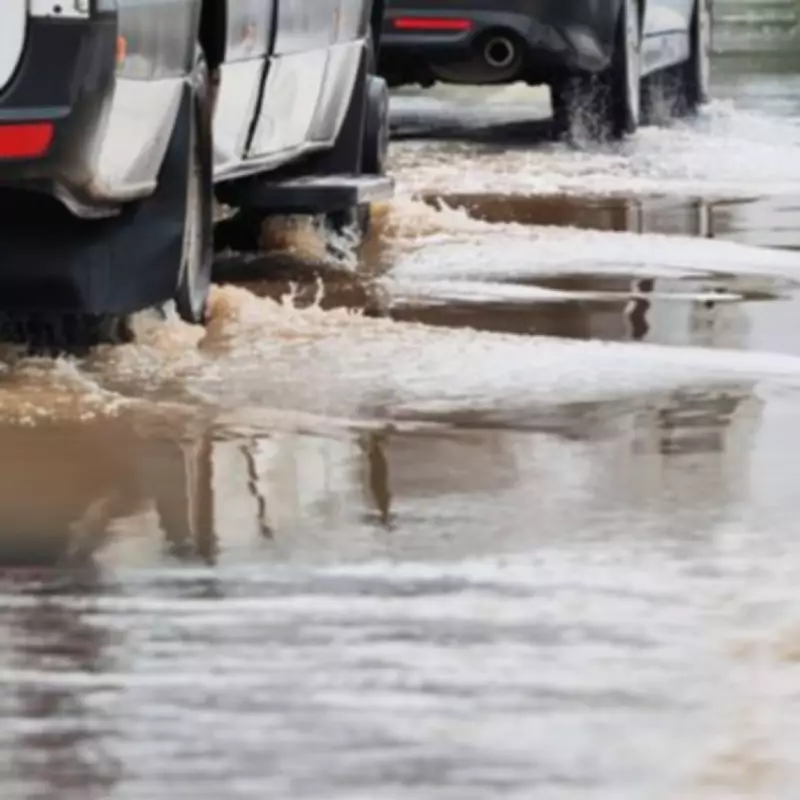
As heavy rain continues to sweep across southern England and Wales, UK drivers are being issued with urgent warnings about the dual risks of substantial financial penalties and significant vehicle damage. Motorists who splash pedestrians by driving through puddles could face immediate fines of £100 and penalty points on their licences, with more severe cases potentially escalating to court-imposed fines of up to £5,000.
Legal and Mechanical Dangers of Wet Weather Driving
Matt Crole-Rees, a car insurance specialist at Confused.com, emphasised the serious consequences of what might appear to be harmless driving behaviour. "Driving through puddles might seem harmless, but it can have serious consequences," he stated. "If a driver is caught splashing a pedestrian, it can be treated as careless or inconsiderate driving. This can result in a £100 fixed penalty and three points on your licence, or in more serious cases, a court fine of up to £5,000."
Beyond the legal implications, puddles present hidden mechanical dangers that could wreck vehicles. Drivers have no way of knowing what hazards lurk beneath the water's surface, which could include deep potholes, damaged road surfaces, or debris that could cause immediate tyre damage or suspension problems.

Aquaplaning and Loss of Vehicle Control
Standing water dramatically increases the risk of aquaplaning, where tyres completely lose their grip on the road surface, causing drivers to momentarily lose control of their vehicles. This dangerous phenomenon occurs when water builds up in front of tyres faster than the vehicle's weight can push it aside, creating a thin layer of water between the tyres and the road that eliminates traction.
To reduce both the risk of fines and mechanical damage, experts recommend that drivers should significantly slow down in wet conditions and maintain heightened awareness of pedestrians walking close to road edges. While steering around puddles might seem like a logical solution, this isn't always safe or practical on narrow roads or two-way streets where avoiding manoeuvres could create additional hazards.
Highway Code Rules for Adverse Weather Conditions
The Highway Code contains specific regulations covering driving in extreme weather conditions, with rules 226 to 237 addressing everything from heavy rain and fog to icy conditions and high winds. These regulations provide essential guidance for maintaining safety during challenging driving conditions.
Essential Wet Weather Driving Guidelines
According to Highway Code Rule 227, stopping distances in wet weather should be at least double those required for stopping on dry roads due to reduced tyre grip. The rule specifically advises drivers to:
- Keep well back from the vehicle in front to increase visibility and planning time
- Ease off the accelerator and slow down gradually if steering becomes unresponsive
- Be aware that rain and spray from vehicles may significantly reduce visibility
- Take extra care around pedestrians, cyclists, motorcyclists, and horse riders
- Be cautious of spilt diesel that can make road surfaces extremely slippery
Rule 226 mandates that drivers must use headlights when visibility is seriously reduced, generally when they cannot see for more than 100 metres (328 feet). While front or rear fog lights may also be used in these conditions, they must be switched off when visibility improves to avoid dazzling other road users.
Comprehensive Weather Preparedness
The Highway Code provides extensive guidance for various weather conditions beyond just heavy rain. Rule 228 advises drivers to check local weather forecasts for warnings of icy or snowy weather and to avoid driving in these conditions unless journeys are absolutely essential. For necessary travel, the code recommends carrying an emergency kit including de-icer, ice scraper, torch, warm clothing, boots, first aid supplies, jump leads, shovel, warm drinks, and emergency food.
Before setting off in any adverse conditions, Rule 229 requires drivers to clear all snow and ice from windows, ensure lights are clean and number plates are clearly visible, thoroughly demist windows, remove any snow that might fall off into the path of other road users, and check that planned routes are clear of delays with no further severe weather predicted.

As the UK continues to experience unsettled weather patterns, these warnings and regulations take on increased importance for all road users. The combination of legal penalties for inconsiderate driving and the mechanical risks posed by hidden road hazards creates a compelling case for extreme caution during periods of heavy rainfall and adverse weather conditions.