UK Drivers Urged to Avoid Fuel Panic Buying Amid Middle East Conflict
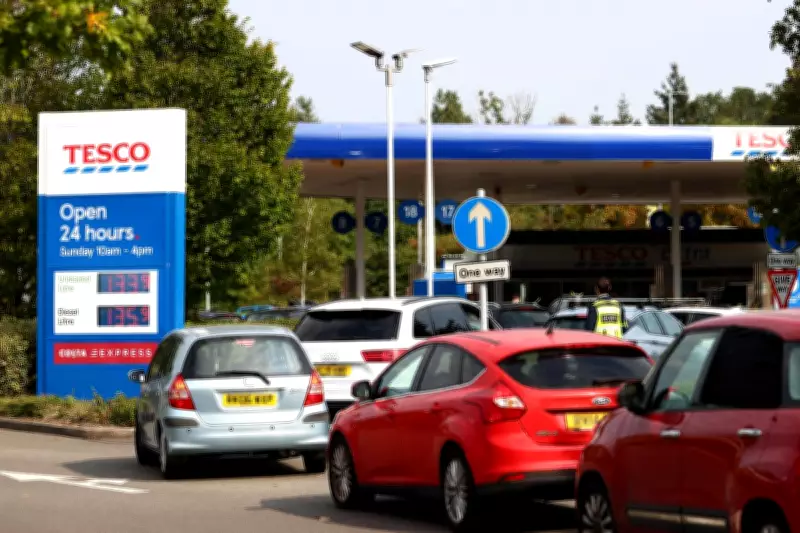
British drivers are being strongly advised to refrain from panic buying petrol, even as concerns mount over potential fuel price increases linked to the escalating conflict in the Middle East. Oil prices have already surged as the regional war enters its fourth day, with analysts forecasting that the effects could reach forecourts within weeks. However, motorists are encouraged to maintain their usual refuelling habits, given the typical delay before higher wholesale costs translate to pump prices.
AA Spokesman Highlights Current Price Advantages
Luke Bosdet, a spokesman for the AA, provided context on the situation. "Pump prices are heading up – wholesale costs had been increasing even before the weekend’s strikes on Iran," he said. "However, pump averages today are still below where they started the year and petrol is almost 6.5p a litre cheaper than this time last year. That makes a tank of petrol more than £3.50 cheaper than in early March 2025."
Bosdet noted that while the fuel trade has reported some increased demand, which was anticipated, most drivers are following advice to stick to their regular routines. "There’s no point wasting time, fuel and money queuing when drivers don’t need to," he emphasised. The motoring organisation confirmed that this increased demand has not led to queues spilling onto roads.

RAC Policy Head Predicts Delayed Impact
Simon Williams, head of policy at the RAC, explained that the impact of oil price rises should not be felt for at least a week. "We really shouldn’t see a shock jump in prices at the pumps as wholesale fuel costs had only been rising gradually in recent weeks," he stated. "Even though the price of dated Brent crude rose by five dollars a barrel yesterday to 78 dollars, the impact of this shouldn’t be felt for over a week."
Williams urged retailers to act fairly by not increasing the price of fuel already in forecourt tanks. "Knowing the tendency for price increases to be passed on far more quickly than cuts, on behalf of drivers we urge retailers not to put up the price of fuel they’ve already got in forecourt tanks and reflect any increases in wholesale fuel fairly on the forecourt," he said.
Petrol Retailers Association Warns of Inevitable Price Rises
Gordon Balmer, executive director of the Petrol Retailers Association, warned that pump prices will inevitably increase. "The conflict in the Middle East has increased the wholesale cost of petrol and diesel, which will mean pump prices will have to go up," he asserted. Balmer highlighted the broader economic implications, noting that rising fuel prices contribute to higher inflation and strain household budgets.
In response, Balmer is taking action to support motorists and businesses. "To help motorists and businesses, I am today writing to the Chancellor urging her to abandon the planned fuel duty increases," he revealed. The Treasury has been contacted for comment on this matter.
Overall, while the Middle East conflict poses a threat to fuel prices, experts stress that panic buying is unnecessary and counterproductive. Drivers are advised to remain calm and continue with their normal refuelling patterns to avoid unnecessary disruptions and costs.