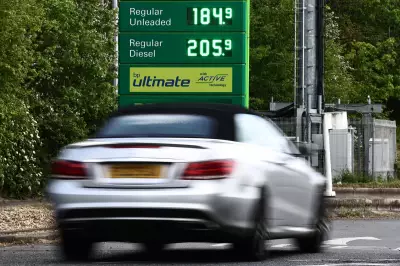
The UK Government has introduced a temporary relaxation of airline slot rules, potentially leading to changes in summer 2026 flight schedules. This measure aims to conserve jet fuel by allowing carriers to merge under-booked flights and transfer passengers to similar services, reducing the number of near-empty planes departing.
New Contingency Plan for Jet Fuel Conservation
Transport Department officials have confirmed that airlines may consider scrapping certain services under a temporary rule change. The policy permits carriers to consolidate flights and combine passengers, cutting the total number of aircraft departures. The goal is to preserve jet fuel while reassuring holidaymakers that trips will not be cancelled at the last minute.
Rather than axing flights abruptly, airlines will reassess schedules and move passengers from poorly booked services onto fuller ones. This approach maximises airport departure slots and reduces wasted fuel from flying near-empty planes.

Government Assurance for Summer Travel
Transport Secretary Heidi Alexander stated: 'Since the closure of the Strait of Hormuz, the government has been monitoring jet fuel supplies daily and working with airlines, airports, and fuel suppliers to stay ahead of any problems. There are no immediate supply issues, but we are preparing now to give families long-term certainty and avoid unnecessary disruption at the departure gate this summer.'
The government claims these 'contingency preparations' aim to give families greater confidence when travelling. While airlines have always had the ability to cancel and rebook flights, doing so typically carried future business risks.
How Flight Consolidation Works
Travel specialist Kate Donnelly explained on TikTok: 'If an airline has four flights operating to the same destination across a day, they might look at them and see two are half empty, so they might combine them and cancel one of those flights altogether. This would mean they are obviously saving on the amount of jet fuel they are using and overall cost.'
The measures enable airlines to plan ahead based on reliable information about fuel supply or the wider ramifications of the Middle East conflict, rather than waiting for shortages to materialise. Domestic jet fuel production has increased, and the UK sources fuel from multiple countries not reliant on the Strait, including the United States.
Passenger Rights and Protections
If a flight experiences significant delay, passengers are entitled to care and assistance, including food, drink, and overnight accommodation where necessary. Generally, delays warranting this include at least two hours for short-haul, three hours for medium-haul, and four hours for long-haul flights.
Rob Bishton, chief executive of the UK Civil Aviation Authority, said: 'Passengers in the UK are well protected by some of the strongest rights in the world, offering reassurance if disruption does occur. Airlines have a duty to look after their passengers when they face disruption, and should offer a choice between a refund or alternative travel arrangements, including with another airline, if a flight is cancelled.'
He added: 'Relaxing the rules around slots at airports will allow airlines more flexibility and so we expect them to give passengers as much notice as possible of cancellations during this period.'
If the airline cancels your flight, you are legally entitled to a choice between being rerouted or receiving a refund. Passengers are advised to check their rights with the Civil Aviation Authority.