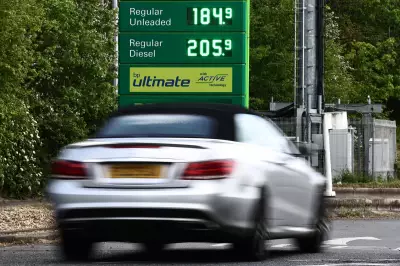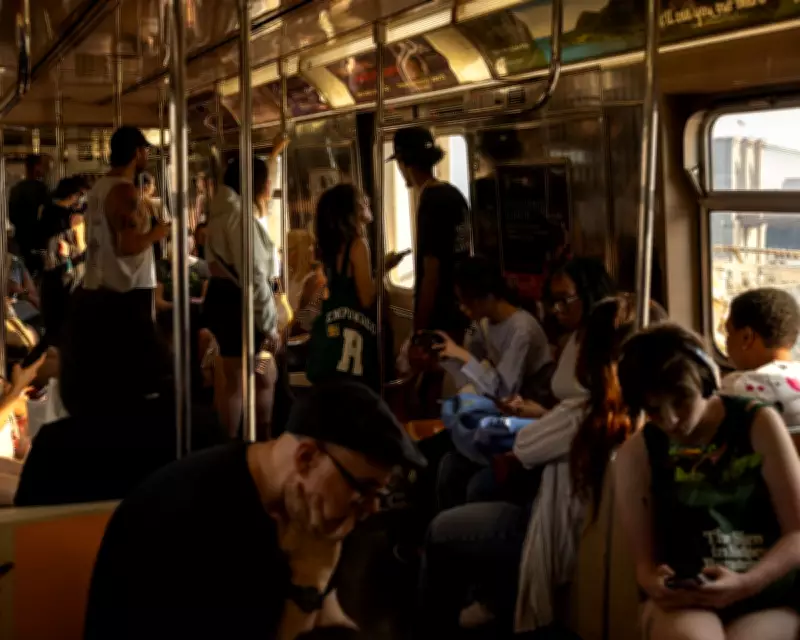
Navigating American cities without a car presents significant challenges, a reality that may surprise first-time visitors arriving for this summer's World Cup. Despite plans to invest trillions in highway expansion over the coming decades, public transit systems in the United States often lag far behind international counterparts, with limited options making car-free living difficult in most urban areas.
Global Comparisons Highlight US Deficiencies
A 2023 study underscores the disparity, indicating that while some US cities have relatively better transit networks, only New York City's subway system approaches world-class standards. However, even New York's ridership falls below that of cities like Bangalore, Santiago, and Warsaw, revealing a broader trend of underperformance in public transport usage across the nation.
Call for Reader Insights on Car-Free Commuting
We are seeking input from individuals living in US cities, suburbs, or rural areas who rely on public transport or alternative methods to get around without a car. Share your experiences regarding the challenges you face, desired improvements for local transit systems, and any opinions on public transport encountered during trips abroad. Your anonymous contributions will help shed light on the state of American mobility and potential solutions for enhancement.

This initiative aims to gather diverse perspectives to inform discussions on transport policy and investment, particularly as the US prepares for major events like the World Cup and long-term infrastructure planning.