Virgin Atlantic Implements Significant Fuel Surcharges Amid Middle East Conflict
Virgin Atlantic has implemented substantial increases to its ticket prices, with fares rising by as much as £360, as the ongoing conflict in Iran continues to disrupt global jet fuel supplies. The airline, founded by Sir Richard Branson, has introduced an additional £50 fuel surcharge on economy class tickets, while premium economy and business class fares have increased by £180 and £360 respectively.
Executive Warnings and Industry Impact
Virgin Atlantic's chief executive, Corneel Koster, stated that recent failed peace talks between the United States and Iran represent "not good news" for the aviation industry. He warned travellers to expect further price increases over the coming months, potentially extending throughout the remainder of the year.
"We have never seen jet fuel at this level, and airlines cannot sustain those sorts of high costs," Koster told The Financial Times. "If the fuel price goes much higher, I think the surcharges may go higher. If they go up in a week and you book in two weeks' time, you'll be paying higher."

Fuel Supply Crisis and Regional Dependencies
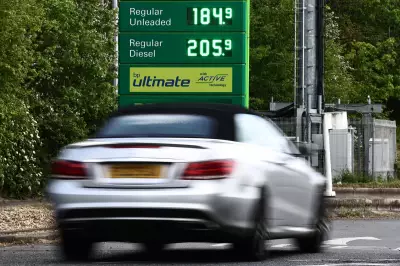
The crisis stems from Iran's blockade of the Strait of Hormuz since February 28, which has disrupted approximately 20 percent of global oil and liquefied natural gas supplies. This strategic passage in the Gulf typically handles significant volumes of energy resources, and its closure has triggered a surge in jet fuel prices.
The United Kingdom is particularly vulnerable to these supply disruptions, as it depends heavily on Middle Eastern jet fuel imports. Kuwait alone supplies four million tons of jet fuel to Britain annually, but attacks on Kuwait's Mina Al-Ahmadi refinery have compromised this supply chain. Even if the Strait of Hormuz were to reopen, damaged refineries may struggle to meet demand.
European Concerns and Potential Shortages
European airports have warned of potential fuel shortages within approximately three weeks, increasing the likelihood of flight cancellations. The European Commission has expressed concern about future jet fuel supply issues, with spokeswoman Anna-Kaisa Itkonen noting that while no current shortages exist in the European Union, "supply issues could occur in the near future in particular for jet fuels."
The International Energy Agency's monthly report paints a concerning picture:
- Europe depends on the Middle East for 75 percent of its net jet fuel imports
- Britain imports 65 percent of its jet fuel demand
- If Europe can only replace 50 percent of its Middle East imports, stocks could drop below critical levels by June
- Global jet fuel and kerosene demand averaged 7.8 million barrels per day in 2025
Broader Industry Consequences
The conflict has created widespread disruption across the aviation sector:
- Multiple airlines have introduced fuel surcharges and reduced routes
- Qantas Airways has delayed a planned share buyback due to volatile fuel prices
- Lufthansa CEO Carsten Spohr warned that kerosene will remain "in short supply and therefore more expensive for the rest of the year"
- European airlines have requested emergency measures from Brussels, including EU-level kerosene purchasing and temporary suspension of carbon market requirements
Koster predicted that demand for economy seats would become "relatively weaker" compared to business class tickets as consumers tighten their spending in response to the crisis. Virgin Atlantic has already cancelled its winter-only services to Dubai and Riyadh, with the airline adjusting its network to avoid losing "unnecessary amounts of money on weaker routes and frequencies."
Passenger Impact and Travel Disruption
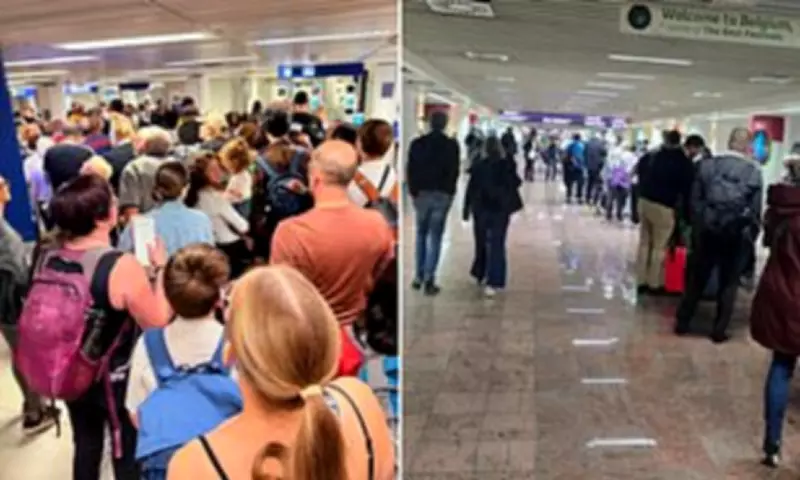
The fuel crisis coincides with the introduction of the EU's new Entry/Exit System, which requires additional biometric checks for travellers from third-party countries including the UK. This has contributed to significant delays at European airports, with passengers reporting long queues and missed flights.

Data indicates that British travellers have already begun reducing spending on international trips for the first time since the COVID-19 pandemic, suggesting that the combined impact of higher fares and economic uncertainty is affecting travel behaviour.
As the situation continues to evolve, industry analysts warn that the crisis may trigger airline mergers and further capacity reductions, particularly on routes connecting Asia and Europe via Gulf hubs. With jet fuel prices more than doubling since the conflict began and accounting for approximately 27 percent of airline operating expenses, the aviation industry faces sustained pressure throughout 2024.