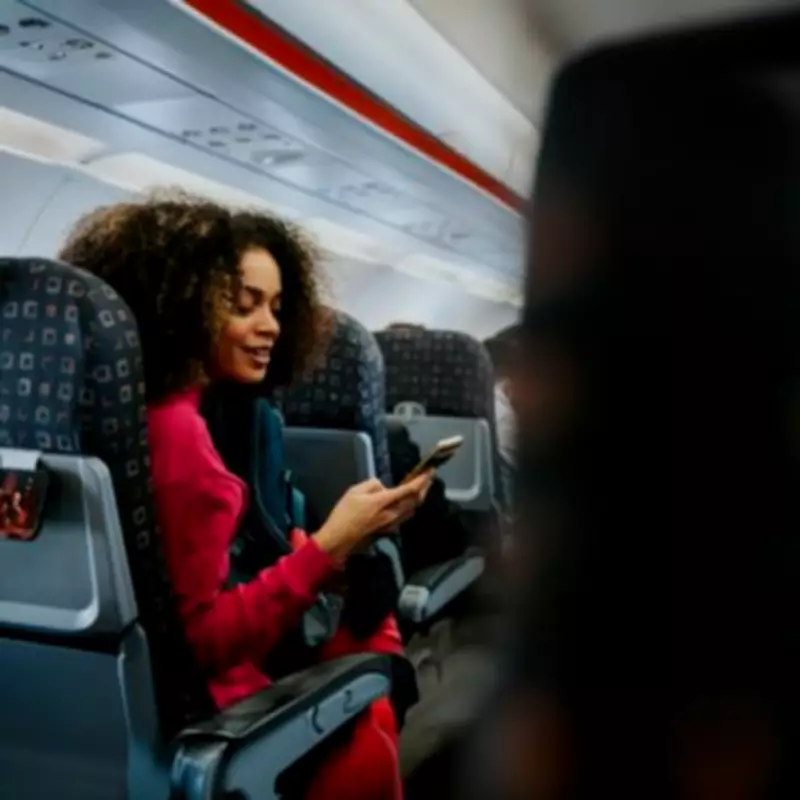
Flight Attendants Issue Urgent Warning Over Dropped Phones on Planes
While it may seem harmless to retrieve a dropped phone during a flight, experts and cabin crew members are urging passengers to resist the instinct and instead alert a flight attendant immediately. This precaution is rooted in serious safety concerns that could affect everyone on board.
The Hidden Dangers in Plane Seats
According to the Federal Aviation Administration (FAA), if a smartphone falls between the seats of an aircraft, it can become wedged in the mechanical components. When a seat is reclined or adjusted with the device trapped, it risks being crushed or damaged. This damage is not merely an inconvenience; it poses a significant fire hazard due to the lithium batteries inside.
Lithium batteries can overheat if compromised, leading to a chain reaction known as thermal runaway. This process involves rapid heating, the release of flammable gases, and an increased risk of fire. John Cox, CEO of Safety Operating Systems and a former pilot, emphasized that "damaged electronics are more susceptible to thermal runaway, so a dropped iPhone or Android is more likely to have a thermal event."

Why Flight Attendants Are Essential for Retrieval
Flight attendants are trained to handle such situations safely. An American Airlines representative explained that "seats can vary between aircraft, and as part of this training, flight attendants are informed of the various operational intricacies of each seat that customers may not be aware of, and can safely help our customers out should their phone fall between seats." By notifying cabin crew, passengers ensure that the device is retrieved without causing further damage or injury, such as trapping fingers.
Moreover, if a dropped phone begins to overheat or smoke, flight attendants can implement onboard fire safety procedures promptly. This preparedness is crucial for maintaining passenger safety throughout the flight.
Real-World Incidents Highlight the Risks
There have been several alarming incidents involving electronic devices on flights:
- In 2024, a phone caught fire on a plane from Denver to Houston, igniting a seat and forcing the evacuation of all 108 passengers while the aircraft was still at the gate.
- During a 2025 flight from Honolulu to Tokyo, a passenger's phone became wedged between seats and emitted a burning smell, prompting an emergency landing at Haneda Airport.
- Earlier this year, a flight from Wichita to Seattle had to return to the airport after a passenger's phone and portable battery pack caught fire.
These events underscore the potential dangers and have led airlines to implement stricter regulations. For instance, Vietnam Airlines, Vietjet Air, and Emirates have banned power banks on flights, while Cathay Pacific introduced a similar ban last April. Additionally, Taiwanese carriers like EVA Air, UNI Air, and Tigerair now prohibit Bluetooth earbuds, such as Apple AirPods, in checked baggage due to fire safety concerns.
Broader Implications for Travel Safety
The risk of overheated devices is also why power banks, e-cigarettes, and other electronics are not allowed in checked luggage. Keeping these items in hand luggage allows passengers to monitor them more closely. As travel becomes increasingly reliant on technology, understanding these safety protocols is vital for all flyers.
In summary, while picking up a dropped phone might seem like a simple task, the potential consequences are severe. By following the advice of flight attendants and reporting any dropped devices, passengers can help prevent accidents and ensure a safer journey for everyone on board.