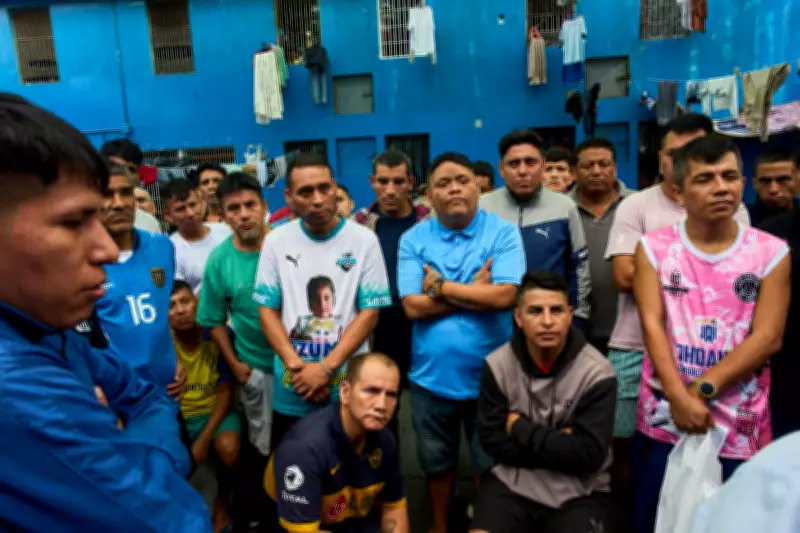
A pervasive sense of fear has taken hold across Peru as violent crime surges ahead of Sunday's presidential runoff. In the city of Trujillo, residents mourn their dead, victims of a crime wave that has targeted small business owners and ordinary citizens alike. Extortion by criminal gangs has become rampant, not only in Trujillo but in many other parts of the South American country, making insecurity a central issue shaping daily life and influencing how Peruvians view their nation's future.
Rising Extortion and Killings
Over the past five years, reported extortion cases have increased fivefold, reaching nearly 29,000 in 2025. During the same period, killings have more than doubled, with authorities reporting 2,226 homicides last year. Criminal groups increasingly target small businesses, transport workers, market vendors, and other entrepreneurs, demanding regular payments in exchange for allowing them to operate.
Widespread Impact on Daily Life
The impact extends far beyond economic costs. Across the country, residents describe living with a constant sense of vulnerability as bomb attacks, kidnappings, killings, and threats have surged. It seems everyone in Peru knows someone who has been a victim of crime. Neighbors or loved ones have been extorted to keep their businesses open, or they have been kidnapped or killed. Finding bodies on the streets or pulled out of ravines has become commonplace.

In some neighborhoods, businesses display symbols indicating they are paying extortion fees, while others invest heavily in private security to compensate for a limited police presence.
Root Causes of the Crisis
Security experts attribute the growing influence of organized crime to profits generated by illegal mining and other activities, as well as chronic underfunding of police investigative units and outdated technology. They also point to recent legal changes that have made it more difficult for authorities to detain suspects, seize criminal assets, and dismantle criminal networks.
This documentary photo story was curated by AP photo editors.