Starmer Pledges Rapid Action to Shield Children from Social Media Harms
Prime Minister Sir Keir Starmer has made a firm commitment to act within "months, not years" to safeguard young people from the dangers of addictive social media platforms. This announcement comes amid growing calls for a comprehensive ban on social media access for children under the age of 16, highlighting a pressing national concern.
Government Launches Consultation on Social Media Restrictions
In a significant move, the Government will launch a three-month public consultation in March. This initiative will explore proposals to ban children from social media and impose restrictions on features like infinite scrolling, which are known to contribute to addictive behaviours. The consultation aims to gather input from experts, parents, and stakeholders to shape effective policies.
Supporters of an Australian-style ban argue that parents are currently in "an impossible position", struggling to protect their children from online harms. Meanwhile, online safety campaigners are advocating for stricter regulations, suggesting that big tech firms should be governed under a conduct-based regime similar to banks, holding senior managers accountable for product safety risks.

Starmer's Personal Commitment and Broader Safety Measures
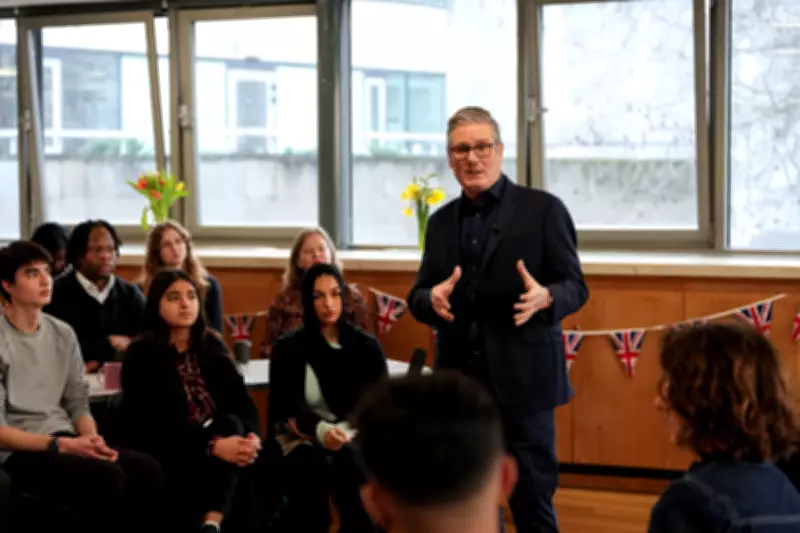
During a visit to a community centre in London, Sir Keir expressed solidarity with concerned parents, referencing his own teenage children. He stated, "I don't think there's a parent in the country who isn't worried about this... The status quo is not good enough. Nobody can make the argument that things can be left as they are. They can't, they're not protective of children, and we intend to act."
To bolster online safety, the Government has also proposed additional measures, including restricting children's access to virtual private networks (VPNs) and AI chatbots. Sir Keir emphasised the urgency, noting, "We've taken the powers to make sure we can act within months, not years. We also need to act very quickly on the devices and applications that enable constant scrolling, which glues children to their screens."
Kendall Calls for Agile Legislative Approaches
Technology Secretary Liz Kendall has suggested adopting budget-style processes for online safety debates to keep pace with rapid technological advancements. She pointed to the Finance Bill model, where tax plans are swiftly enacted post-budget, as a potential framework. "We're going to have to start thinking in the same way around online safety so we constantly keep pace, protect children, give them their childhood back, and prepare them for the future," Ms Kendall explained.
Speaking to BBC Breakfast, she highlighted that technology evolves much faster than legislation, committing to presenting proposals before the summer. Ms Kendall also expressed frustration over the lengthy passage of the Online Safety Act 2023, which imposed duties on social media firms to combat illegal content. The Government now plans to extend these duties to cover one-to-one conversations with AI chatbots, ensuring illegal content is stopped for all users.
Balancing Access to News with Safety Concerns
During his visit, Sir Keir was questioned by a 17-year-old about the potential conflict between extending voting rights to young people and imposing social media age limits. Acknowledging that most young people rely on social media for news, he responded, "I'm acutely aware of your point about news... In politics, there's always been a heavy focus on newspapers, but frankly, I don't think many young people read them anymore or watch traditional news broadcasts. It's much more likely to be through social media."
He stressed the importance of not cutting off "sensible, good access" to news for young people, underscoring the need for balanced policies that protect without isolating. This holistic approach aims to address both the risks and benefits of digital engagement, ensuring children are shielded from harm while remaining informed citizens.