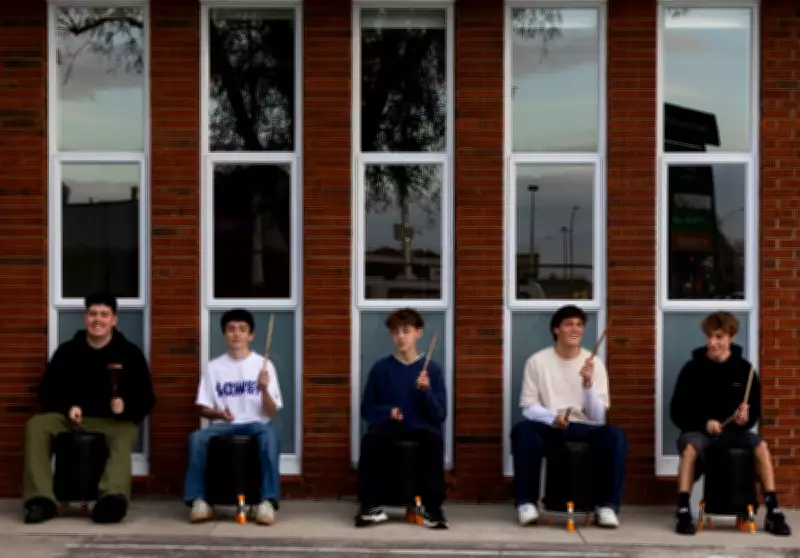
In a vibrant display of creativity and rhythm, New Zealand's Beat Street drummers have turned ordinary buckets into extraordinary musical instruments. This grassroots movement has taken the country by storm, with performers captivating audiences in cities from Auckland to Dunedin.
The Rise of Bucket Drumming
What began as a few individuals experimenting with makeshift percussion has evolved into a cultural phenomenon. The drummers, often seen in busy pedestrian zones, use plastic buckets, metal bins, and other repurposed containers to produce a surprisingly rich array of sounds. Their performances blend traditional rhythms with modern beats, drawing crowds who are mesmerised by the raw energy and ingenuity.
Community and Connection
The Beat Street movement is more than just entertainment; it fosters community engagement. Many drummers are self-taught and use their art to connect with passersby, often encouraging participation. This inclusive approach has helped break down barriers between performers and audiences, creating a shared experience that transcends age and background.

Local businesses have also embraced the trend, with some sponsoring bucket drumming events or providing space for workshops. The New Zealand government has recognised the cultural value, offering grants to support street performance arts.
Challenges and Recognition
Despite its popularity, bucket drumming faces challenges such as noise complaints and regulatory hurdles. Some cities have implemented permits to manage performances, while others have designated specific areas for street artists. Nevertheless, the drummers continue to innovate, incorporating recycled materials and even electronic elements into their setups.
International recognition is growing, with New Zealand bucket drummers invited to perform at festivals abroad. This exposure not only highlights the country's creative spirit but also promotes sustainable art practices.
As the Beat Street movement gains momentum, it serves as a reminder that music can emerge from the most unexpected sources, uniting people through the universal language of rhythm.