One of the most spectacular artistic rivalries in British history is set to be revived this September, as blockbuster exhibitions by Joseph Mallord William Turner and John Constable open simultaneously in London. The shows, at Tate Britain and the V&A respectively, will inevitably reignite the age-old question: who is the greatest British painter ever?
Turner, known for his glowing, abstract visions of sea and sky, will be celebrated at Tate Britain from 10 September. Constable, famed for his acute observations of Suffolk's clouds, trees and changing light, will be examined at the V&A ten days later. Both artists had a profound influence on the birth of modernism, breaking conventions to capture the freshness and reality of nature, inspiring the impressionists and securing their place at the heart of modern art history.
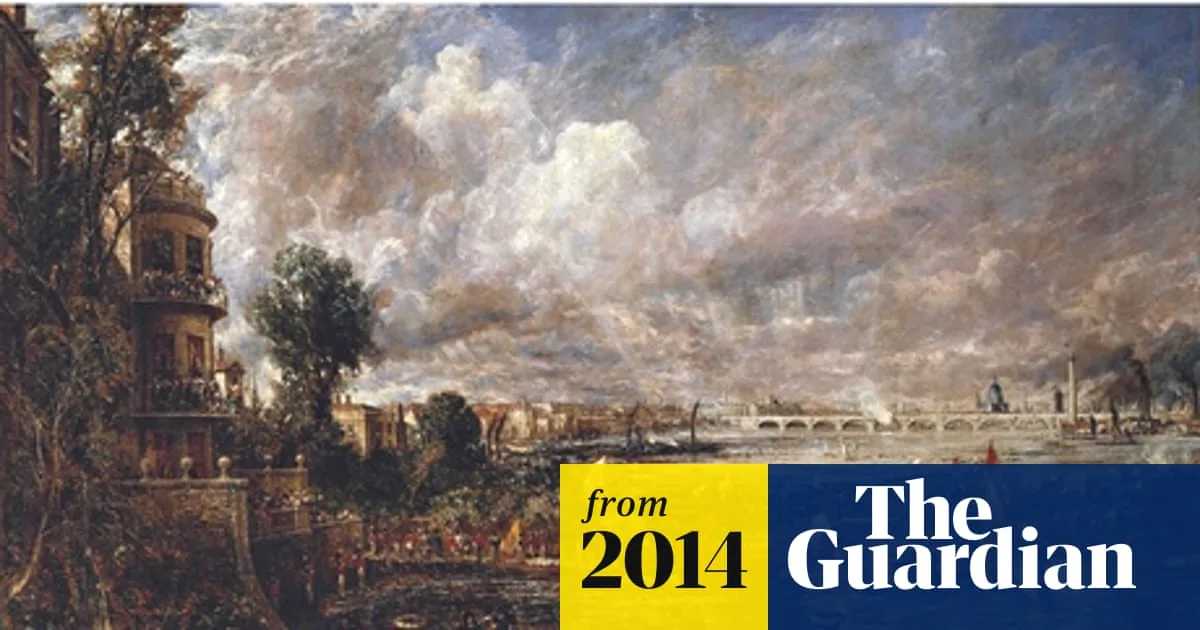
The rivalry between the two, born just a year apart—Turner in 1775, Constable in 1776—was played out at the Royal Academy's annual exhibitions. In May 1832, Constable showed his painting The Opening of Waterloo Bridge alongside Turner's seascape of Dutch ships in a gale. Constable's work glittered with speckled sunshine, but Turner, after staring, returned with his brush and added a glob of bright red to his painting, setting it alight. 'He has been here and fired a gun,' wrote a shellshocked Constable.

Mark Evans, curator of the V&A's Constable exhibition, notes this story captures a basic difference: 'Constable is the technician, and Turner is the magician.' David Blayney Brown, co-curator of the Turner show, puts it more bluntly: 'You could say if you wanted to be rude that Constable was a more plodding artist than Turner.' Popular culture seems to agree, with Mike Leigh's biopic Mr Turner depicting Turner as 'Britain's greatest artist'.
Yet Constable has heavyweight support. Lucian Freud, who curated an exhibition of Constable's work in 2003, perceived him as a 'fellow realist'. Evans adds: 'Everybody talks about truth to nature in art, but how many people really mean it? With Constable it has an awesome reality and consistency.' Constable's dedication to painting outdoors, capturing shadows moving across a meadow or rainclouds massing over a farm, marks him as a revolutionary artist and perhaps the true beginning of impressionism and realism.