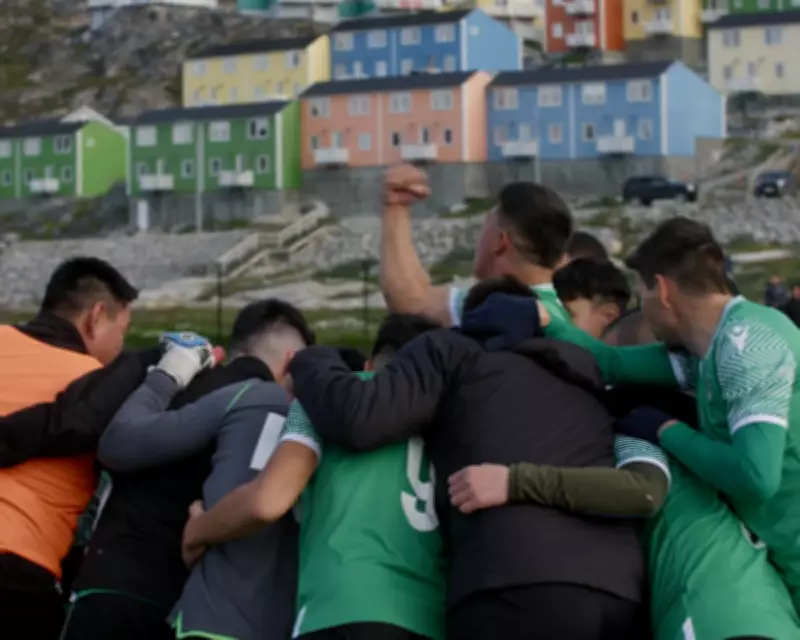
The documentary 'No Place for Football' offers a poignant look at Greenland's cultural crossroads, where the traditional Inuit pastimes of dogsledding and kayaking clash with the global appeal of football. Directed by Danish filmmaker Anders Østergaard, the film follows a group of young Greenlanders as they attempt to establish a national football team, facing not only logistical hurdles but also a deep-seated cultural identity crisis.
The Cultural Divide
Greenland, a vast Arctic island with a population of just 56,000, has a rich heritage of Inuit sports that emphasize survival skills and communal bonds. However, football has become a symbol of modernity and global connection for many youths. The film highlights the tension between elders who view football as a foreign influence eroding traditional values and younger generations who see it as a pathway to international recognition.
Challenges and Triumphs
The documentary captures the arduous journey of building a football infrastructure in a land with no grass pitches, where games are played on gravel and snow. Players travel by dogsled and helicopter to reach matches, and the team's first international game is against the Faroe Islands, a fellow Nordic territory with a strong football tradition. Despite a 4-0 defeat, the experience galvanizes the community, sparking pride and a renewed sense of purpose.

Through intimate interviews and stunning Arctic landscapes, Østergaard weaves a narrative that goes beyond sports. The film asks whether embracing football means abandoning Inuit identity or if it can coexist as part of a broader cultural tapestry. One elder remarks, 'We are not Danes, we are Greenlanders. Our sports reflect our land and our history.' Yet the young players argue that football offers a chance to tell their story to the world.
Critical Reception
'No Place for Football' has been praised for its sensitive portrayal of indigenous struggles in a rapidly changing world. Critics note that the film avoids romanticizing either side, presenting a balanced view of the complexities involved. The cinematography captures the stark beauty of Greenland, from icy fjords to colorful houses clinging to rocky shores, serving as a metaphor for the resilience of its people.
Some reviewers have pointed out that the film could have delved deeper into the political context, particularly Greenland's relationship with Denmark and its push for independence. However, the focus remains on the personal stories of the players and their families, making the documentary accessible to a wide audience.
Conclusion
'No Place for Football' is more than a sports documentary; it is a meditation on culture, identity, and the universal human desire to belong. As Greenland faces the realities of climate change and globalization, the film offers a timely reflection on what it means to preserve heritage while embracing change. It leaves viewers with the question: Can a nation find its place on the world stage without losing its soul?