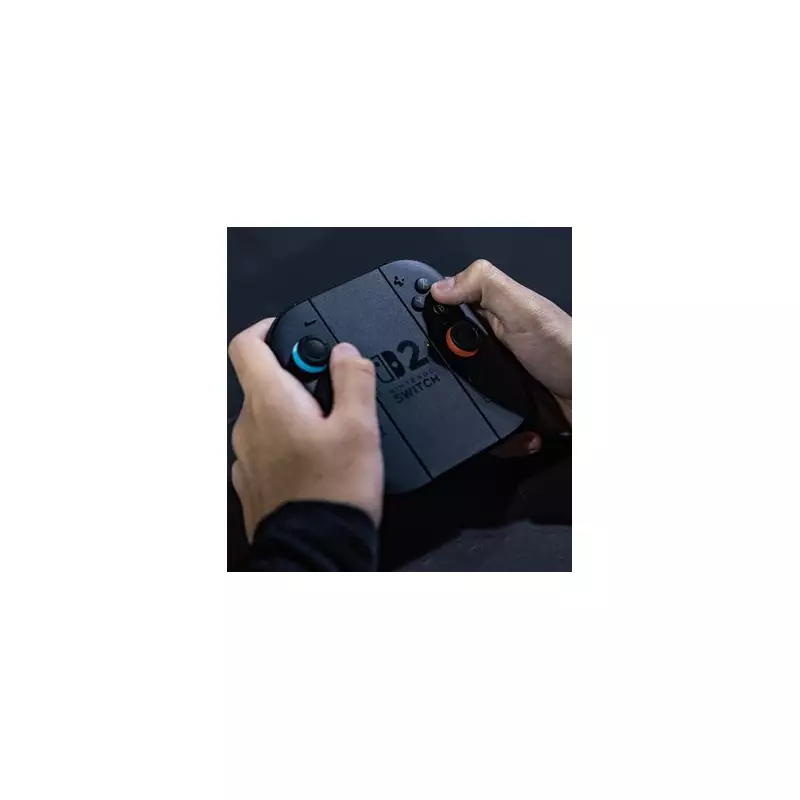
Gaming enthusiasts are being urged to consider purchasing the Nintendo Switch 2 sooner rather than later, as industry experts warn of impending price increases that could make the console significantly more expensive in the coming months.
Memory Shortage and Tariffs Drive Price Concerns
Market research firm Niko Partners has issued a stark warning about the future pricing of Nintendo's flagship console, suggesting that the Switch 2 is likely to follow the trajectory of PlayStation 5 and Xbox Series X, both of which experienced notable price rises last year. The primary drivers behind this anticipated increase are a persistent memory shortage and escalating tariffs affecting electronics manufacturing.
"We believe the Switch 2 is set to follow in Sony and Microsoft's footsteps, driven by tariffs, higher memory costs, and broader economic pressures," the firm stated in its latest analysis.

Industry-Wide Impact on Gaming Hardware
The situation extends far beyond Nintendo's console, with the entire gaming industry feeling the strain of these economic pressures. Industry data reveals that global memory prices have surged by over 40% in the past year alone, while tariffs on electronics from key manufacturing hubs remain at historic highs.
This perfect storm of factors is sending shockwaves through the gaming world, with reports suggesting that even the development timelines for PlayStation 6 and next-generation Xbox consoles are being affected by these market conditions.
Specific Price Predictions for Switch 2
Nintendo maintained its $449 entry price point last year despite rising production costs across manufacturing facilities in China, Japan, and Vietnam. However, with artificial intelligence data center demand pushing RAM and storage prices to unprecedented levels, analysts predict this pricing strategy may soon become unsustainable.
Niko Partners specifically forecasts that Nintendo could discontinue the $449 SKU entirely, instead opting to sell bundled editions priced at $499 or higher. This would represent a significant price adjustment that could affect consumer accessibility to the popular gaming platform.
The Memory Cost Crisis Explained
The surge in memory prices represents one of the most significant challenges facing hardware manufacturers. The demand from AI data centers has created unprecedented pressure on memory supplies, with prices for components like DDR5 RAM reaching extraordinary levels.
To illustrate the scale of the problem, two 64GB sticks of Corsair Vengeance DDR5 RAM now command a staggering $1,609 – making gaming machines, whether PC or console, more expensive to produce than at any previous point in industry history.
Broader Implications for Gamers and Industry
Analysts warn that these economic pressures could push the average cost of gaming hardware well above previous projections, with bundled editions and limited releases likely to be particularly affected by the price increases.
For Nintendo specifically, this situation may influence not just pricing strategies but also production volumes and regional availability. The combination of these factors could potentially make the Switch 2 harder to find in certain markets, creating supply challenges alongside the price concerns.
Nintendo's Response and Market Outlook
While Nintendo executives have not provided definitive statements about impending price changes, industry observers note that the company appears to be monitoring the situation closely before deciding on its course of action. This measured approach suggests Nintendo is carefully weighing its options in a rapidly changing market environment.
With demand for high-performance gaming showing no signs of slowing, 2026 is shaping up to be a year where gamers may need to allocate more of their entertainment budgets than ever before to access the latest hardware. The combination of memory shortages, tariff pressures, and sustained consumer demand creates a challenging landscape for both manufacturers and consumers in the gaming sector.