Cecil the Lion's Legacy: Alpha Majesty Versus Trophy Hunter's Cruelty
In the heart of the Zimbabwean bush, under a starlit sky, safari guide Calvet Nkomo captivated tourists with tales of Cecil, a lion whose presence commanded awe. Described as the largest lion in Africa, Cecil reigned as the dominant male over two prides of lionesses, his golden eyes and majestic bearing earning him adoration. Nkomo chuckled as he recounted how female tourists would often remark, 'If he was a man, I'd marry him.' Cecil embodied the quintessential alpha male, a theme echoed across television this week with characters like Dockers in ITV's The Summit and Jack in BBC1's Silent Witness, both boasting of their dominance.
The Human Opposite: Walter Palmer's Dark Pursuit
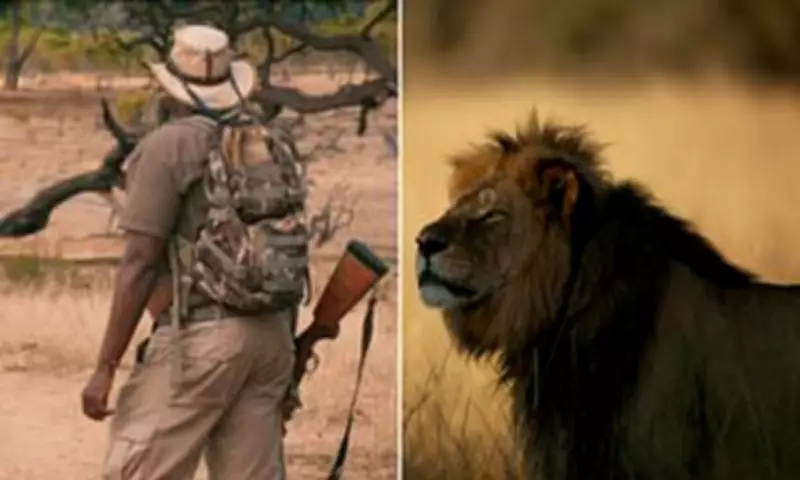
In stark contrast to Cecil's natural authority stood Walter Palmer, an orthodontist from Bloomington, Minnesota, whose actions painted him as the antithesis of alpha strength. In 2015, driven by what many describe as demented inadequacy, Palmer flew to Zimbabwe and paid $50,000—equivalent to approximately £51,000 today, adjusted for inflation—to hunt Cecil with a high-powered bow and arrow. Channel 4's two-hour documentary, Cecil: The Lion And The Dentist, filmed with a poignant appreciation for Africa's wild beauty, revealed Palmer's troubling history. He had previously used a bow to slaughter 29 species of North American animals, including deer, grizzly bears, and bison, displaying a cavalier attitude toward hunting laws that once landed him in court for lying to federal prosecutors.
A Brutal End and Global Outrage
To execute his grim mission, Palmer and his guide constructed a hide, luring Cecil out of Hwange National Park's protected area. The lion, accustomed to safari trucks and almost posing for photos, was shot and badly wounded, enduring a night of agony before succumbing to death—an act that would appal any ethical hunter. Cecil's death sent shockwaves through the conservation community and beyond. Brent Stapelkamp, a conservationist with Oxford University's Wildlife Conservation Research Unit, estimated that Cecil contributed $30,000 (about £22,000) daily to the local economy through tourism. When Stapelkamp broke the news of Cecil's demise, a wave of revulsion spread worldwide, amplified by media coverage.

Comedian Jimmy Kimmel, on his late-night US talk show, was nearly choked with emotion as he condemned Palmer, while crowds gathered outside the dentist's practice, forcing its closure for nearly six months. Photo safari operator Sharon Stead expressed the collective grief, stating, 'I felt like this hunter had just stolen the country's soul away.' Despite the backlash, Palmer eventually reopened his practice in Bloomington, where he continues to work. His website, which notably omits any mention of Cecil, highlights his studies at the Las Vegas Institute for Advanced Dental Studies—a detail that may offer little comfort to those aware of his past.
Legacy and Lingering Questions
Eleven years after the incident, Palmer remains a figure of controversy, too cowardly to face cameras and justify his actions. The documentary underscores the enduring impact of Cecil's death, not only as a symbol of wildlife conservation but also as a stark reminder of the ethical divides in hunting practices. Cecil's story continues to resonate, challenging viewers to reflect on the value of alpha predators in ecosystems and the moral responsibilities of those who seek to exploit them for sport.