Cecil the Lion Documentary Raises More Questions Than Answers on Trophy Hunting
A new documentary on Channel 4, titled Cecil: The Lion and the Dentist, delves into the infamous 2015 slaying of Cecil, a majestic lion from Hwange National Park in Zimbabwe. The film examines the horrific incident where an American trophy hunter, Dr Walter Palmer, killed the animal, sparking global outrage. However, while it retells this tragic story clearly, the documentary frustratingly raises more questions than it answers about the broader implications of trophy hunting.
The Tragic Story of Cecil the Lion
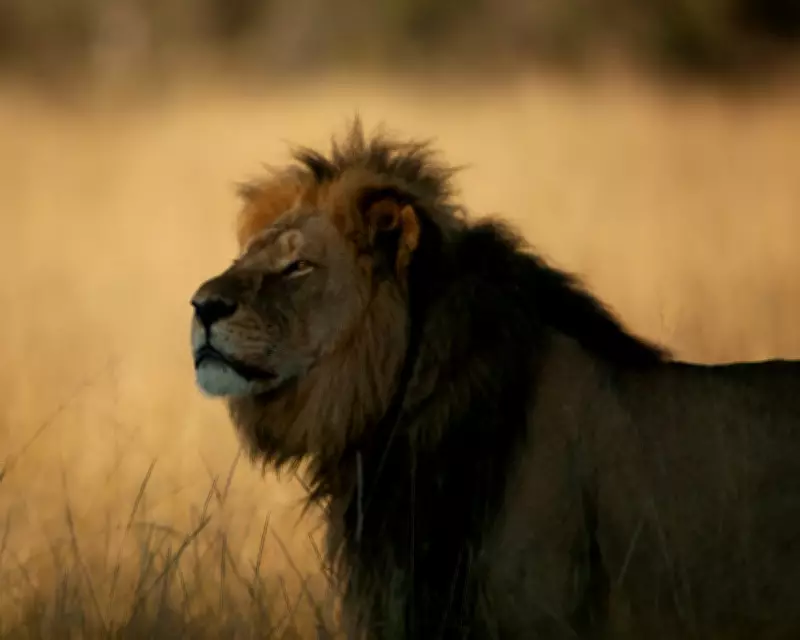
Cecil was no ordinary lion; he was phenomenally majestic and beautiful, even by lion standards. As the head of two prides, he remained a force to be reckoned with at the advanced age of 12. He was part of a study by Oxford University researchers tracking animals in Hwange National Park to help set sustainable hunting quotas. In June 2015, data from Cecil's collar stopped transmitting, and days later, his skinned and headless body was discovered.
Investigations revealed that Cecil had crossed the park boundary into a hunting area, where he was shot by Palmer, who was guided by local professional hunter Theo Bronkhurst. Palmer returned to the US before the body was found, and although there was no quota for lion hunting in the area that year, charges against Bronkhurst and the landowner were eventually dismissed. The media coverage ignited widespread anger over the animal's death and Palmer's perceived guilt.

Exploring the Bigger Picture of Trophy Hunting
The documentary uses Cecil's killing as a prism to explore the complex interdependence in Zimbabwe between native communities, the hunting and safari industry catering to rich tourists, and national parks striving to protect wildlife while supporting the economy. It touches on historical issues, such as the displacement of ancestral tribes in 1928 to establish Hwange National Park, but fails to explain the reasons behind this move.
Key questions remain unaddressed, including the lack of transparency in how hunting revenues are distributed to local communities. The film mentions that money is supposed to go to nearby areas whenever an animal is taken, but this rarely happens, leaving viewers to wonder about potential corruption. It also skirts around whether animal populations genuinely need controlled culling and if Western sentimentality affects perceptions of hunting.
Fragmented and Superficial Analysis
Despite its ambitious scope, the documentary becomes fragmented and superficial when tackling these broader issues. It briefly mentions the photographic safari industry, which also profits from African wildlife, but does not adequately compare it to hunting. The film ends with an odd comment that seems to conflate the two, without exploring whether they are equally harmful.
While a good documentary should raise questions, Cecil: The Lion and the Dentist leaves too many unanswered. It highlights the unfathomable nature of killing animals for sport, especially when hunters lack the skills to find and stalk prey themselves, but fails to provide deeper insights into the ethical, economic, and environmental dimensions of trophy hunting in Africa.