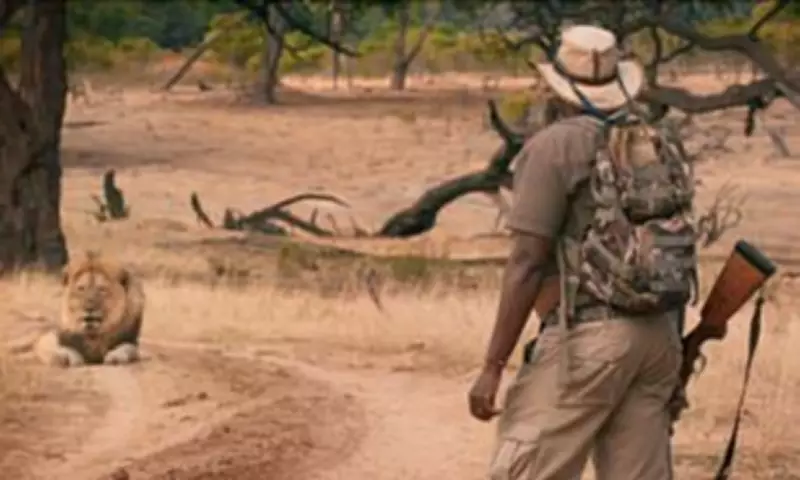
Cecil the Lion Documentary Revisits Trophy Hunting Scandal 11 Years Later
Eleven years have passed since the global outcry over the killing of Cecil, the magnificent African lion, by an American trophy hunter. A new Channel 4 documentary titled Cecil: The Lion And The Dentist revisits this deeply divisive story, offering perspectives from both sides of the controversial incident.
The Iconic Lion and His Tragic Fate
Cecil was believed to be the world's largest lion at the time, renowned for his striking black mane. He was the star attraction at Zimbabwe's Hwange National Park, where tourists flocked hoping to catch a glimpse of his majestic presence. Safari photographer Sharon Stead recalls, 'He was a poser. He liked to strut his stuff and knew how beautiful he was.'
However, some visitors harbored darker intentions. Wealthy foreign trophy hunters were willing to pay up to £70,000 to kill protected animals like Cecil. Although Cecil was safeguarded within the national park boundaries, he became vulnerable when he wandered onto common land.

The Hunter and the Aftermath
The documentary meticulously details how Dr Walter Palmer, a dentist from Minnesota and a crossbow-hunting specialist, ended Cecil's life. Palmer had already shot all 29 species comprising the 'North American 29,' including an illegally killed black bear, and sought to add an African lion to his collection.
Much of what we know about Cecil comes from conservationist Brent Stapelkamp, who was tracking the lion as part of an Oxford University study on threats facing lion populations. The film presents conflicting viewpoints: professional hunter Theo Bronkhorst argues trophy hunting injects thousands into local economies, while Stapelkamp contends the money goes 'straight into Swiss bank accounts' rather than helping impoverished communities.
Global Outrage and Lasting Impact
When news of Cecil's death broke, Sharon Stead collaborated with a local journalist to identify and expose Palmer, an action she believes led to her camp being deliberately set on fire. Palmer briefly became internationally infamous, experiencing what we now call 'cancel culture' before the term was widely used. 'It was the classic villain story, everyone hates dentists,' Stapelkamp remarks.
Directed by Arthur Cary, this two-hour documentary is both captivating and heartbreaking as it explores the events leading to Cecil's killing and the subsequent fallout. Despite worldwide condemnation, the film reveals that hundreds of African lions have since been killed by trophy hunters, including Cecil's son Xanda. Palmer, who declined to participate in the documentary, continues trophy hunting with his crossbow.
The documentary powerfully demonstrates that, even years later, Cecil's senseless death can still evoke blind fury in viewers, highlighting the ongoing futility and controversy surrounding trophy hunting practices.