Iconic Vietnam War Photographer Sues Netflix Over Documentary Allegations
Nick Ut, the photojournalist renowned for capturing the Pulitzer Prize-winning Vietnam War photograph known as "The Terror of War" or "Napalm Girl," has initiated legal action against Netflix and the producers of the documentary The Stringer. The lawsuit, filed in France, centers on claims made in the documentary that Ut did not take the iconic image, which has sparked significant controversy and damaged his professional reputation.
Background of the Dispute
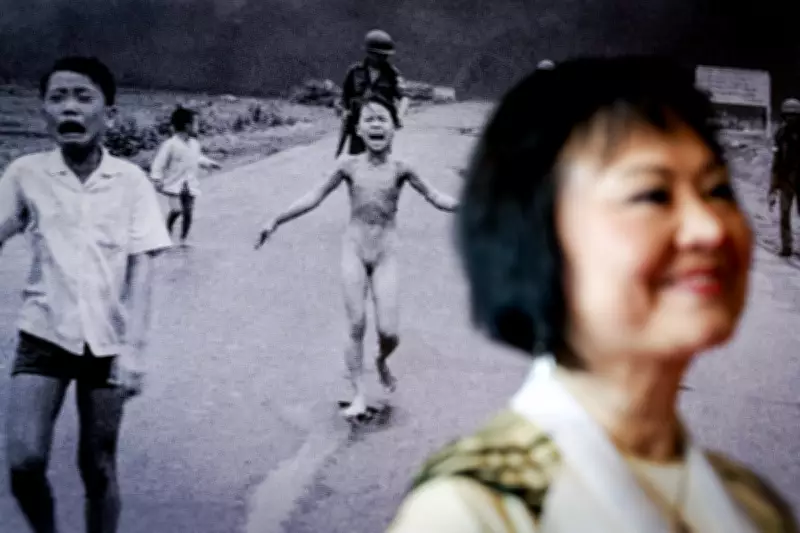
Ut, who was 21 years old and working for The Associated Press at the time, took the photograph in 1972 during the Vietnam War. The image depicts a young girl, Phan Thi Kim Phuc, running naked after a napalm attack, and it became a symbol of the horrors of conflict. In the documentary, it is suggested that freelance photographer Nguyen Thanh Nghe was the actual creator of the photo. Both Ut and The Associated Press have vehemently denied this allegation, asserting that Ut is the rightful photographer.
Legal Proceedings and Demands
In the lawsuit, Ut is seeking $116,000 in damages for reputational harm and an additional $23,000 to cover legal costs. His lawyer has stated that any financial award received from the case will be donated to charity, highlighting Ut's commitment to ethical causes. The legal action underscores the serious impact of the documentary's claims on Ut's legacy and credibility in the photojournalism community.

Responses from Organizations
The World Press Photo Foundation has temporarily suspended Ut's credit for the image pending further investigation. However, The Associated Press conducted its own internal review and continues to credit Ut as the photographer, citing a lack of definitive evidence to support the alternative claim. This divergence in institutional responses adds complexity to the case, reflecting ongoing debates about authenticity and attribution in historical journalism.
Implications for Photojournalism
This lawsuit raises broader questions about the verification of historical photographs and the responsibilities of documentary filmmakers. As the 50th anniversary of the end of the Vietnam War approaches, the case highlights the enduring significance of iconic images and the need for accurate representation in media. The outcome could set a precedent for how similar disputes are handled in the future, affecting both legal standards and ethical practices in journalism.