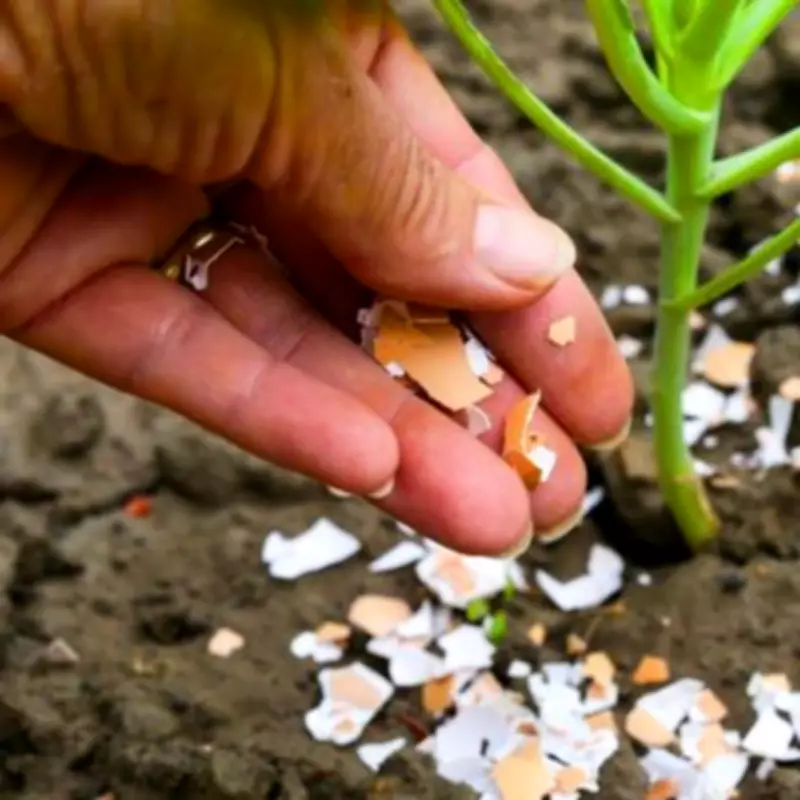
As Britain enjoys the first glimpses of spring sunshine, gardeners are being urged to start collecting and preparing a simple kitchen waste item: eggshells. This ordinary household byproduct is brimming with natural goodness that can significantly enhance spring planting efforts, according to horticultural experts.
The Nutrient Deficiency Problem in Spring Soil
Following the long winter months, garden soil often becomes stripped of vital nutrients that plants need to thrive. Without proper enrichment, plants struggle to establish strong root systems and become vulnerable to various diseases and pests. This is where eggshells offer a surprisingly effective solution.
Calcium: The Secret Weapon in Eggshells
Eggshells consist primarily of calcium carbonate, an essential element that strengthens plant cell walls and promotes healthy root development. "Without adequate calcium levels, plants develop feeble stems that are prone to browning and dying off completely," explains Tamara Reid, a horticulturist with two decades of experience and creator of The Reid Homestead.

Reid has developed a systematic approach to using eggshells in her gardening practice. "During the fall and winter, I start saving eggshells in preparation for using them when I plant my tomato seedlings and pepper seedlings," she reveals. This forward planning ensures she has ample supply when spring planting begins.
Combatting Blossom End Rot Naturally
One of the most significant benefits of eggshells is their ability to prevent blossom end rot, a common plant affliction particularly prevalent in British gardens during spring. This condition develops when insufficient calcium exists in the soil for plants attempting to produce fruit, resulting in severely withered and distorted growth.
Blossom end rot is the primary culprit behind tomato failures in springtime gardens, though it can equally devastate peppers, cabbage, squash, cucumbers and various other leafy vegetables. The calcium from crushed eggshells provides a natural, slow-release source of this essential nutrient that plants can absorb as they grow.
Beyond Vegetables: Benefits for All Garden Plants
Eggshells aren't solely beneficial for vegetable crops. Their calcium content also attracts earthworms, which naturally aerate soil and enhance its structure. This creates healthier growing conditions for flowers, shrubs, and all garden plants by promoting better drainage and root development.
Natural Pest Deterrent Properties
Incorporating eggshells into your garden provides an additional benefit: natural defence against slugs and snails during spring. These common garden pests are hesitant to traverse the jagged, pointed edges of crushed eggshells, creating a protective barrier around vulnerable plants.
This dual-action approach makes eggshells particularly valuable for organic gardeners seeking chemical-free solutions to both nutrient deficiencies and pest problems.
Proper Preparation Techniques
Simply scattering whole eggshells haphazardly around your garden won't yield the desired results. Larger pieces fail to decompose properly and will merely lie dormant on the surface, providing no benefit to plants below.
Eggshells require proper preparation to be effective as fertiliser:
- Collect and rinse eggshells to remove any residual egg white or yolk
- Arrange shells on a baking tray and bake at low temperature for approximately 20 minutes
- Allow the dried eggshells to cool completely
- Crush them into fine pieces using a rolling pin, mortar and pestle, or food processor
- Store the crushed eggshells in an airtight container until ready for use
Application Methods for Maximum Benefit
Once properly prepared, crushed eggshells can be applied in several ways:
- Scatter around the base of plants as a protective mulch and slow-release fertiliser
- Mix directly into planting holes when transplanting seedlings
- Incorporate into compost bins to enrich the entire compost batch
- Create a perimeter barrier around vulnerable plants to deter slugs and snails
This simple, cost-effective approach helps strengthen plants, protect crops from disease, and repel common pests, ensuring gardeners can enjoy flourishing gardens throughout the spring season and beyond.