Expert Guide: Safest Methods to Remove Moss from Lawns for Spring
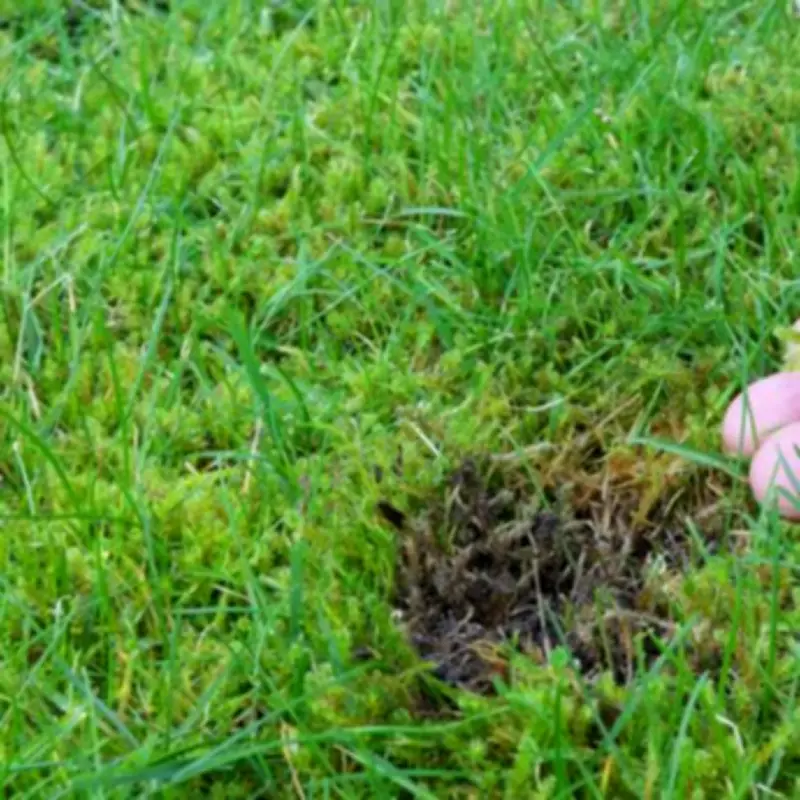
As gardeners begin preparing for the vibrant spring season, many will notice persistent moss patches that have emerged during the cold, damp winter months. Moss thrives in moist, shaded environments, often appearing on lawns deprived of sunlight, as well as on driveways, patios, and rooftops where light is limited. While some may overlook it, ignoring moss can severely compromise lawn vitality, leaving grass looking tired, uneven, and unhealthy.
Why Moss Is a Problem for Lawns
Jane Fairlie, technical development manager at Pelsis Doff, explains the issue: "Moss might feel soft underfoot, but it can quickly take over your lawn, preventing sunlight, water, and nutrients from reaching the grass roots." This is particularly evident after winter, when grass appears yellow and weary, while moss remains stubbornly green. Since moss spores are always present in the environment, rain can easily spread them into bare patches, making permanent eradication a challenging task.
Optimal Timing for Moss Removal
The best times to tackle moss are in March or September, at either end of the growing season. With March approaching, now is the ideal moment to plan your strategy. Acting during these periods ensures that grass has optimal conditions to recover and thrive, minimizing moss regrowth.

Most Effective Methods to Eliminate Moss
According to Jane, there are two primary approaches for effectively removing moss from lawns. The first method involves physical removal through raking or using a powered scarifier. "Raking or using a powered scarifier, which can be hired from your local tool hire company for a daily rate, effectively removes moss, especially when dry," she advises. This process may leave some bare patches and expose compacted soil, but these issues can be resolved by aerating and over-seeding the entire area. Jane considers this the "safest way" to tackle moss, although it requires considerable effort.
The second method involves using moss control products. These lawn care treatments work by turning moss black and drying it out, halting chlorophyll production. "These products also nourish the lawn and control weeds," Jane notes. However, she emphasizes the importance of following application instructions carefully to avoid over-application, which can result in unsightly black patches on the grass.
Caution Against Home Remedies
While some gardeners turn to home remedies, such as using washing-up liquid, Jane strongly cautions against this practice. She states that washing-up liquid "is not a registered plant protection product" and may not be effective or safe for your lawn. Relying on unverified methods can potentially harm grass and soil health, undermining your efforts to achieve a lush, moss-free lawn.
By adopting these expert-recommended techniques, gardeners can effectively combat moss, promote healthier grass growth, and ensure their lawns are vibrant and resilient throughout the spring and beyond. Proper moss management not only enhances the aesthetic appeal of your garden but also supports the long-term health of your grass ecosystem.