Gardeners are being urged to repurpose cardboard they might otherwise discard as a highly effective, chemical-free method to tackle bindweed, a particularly aggressive weed that peaks in July. According to a report by Katherine McPhillips, July is the prime growing season for bindweed, which can rapidly overtake gardens and damage plants if left unchecked.
Bindweed: A Summer Menace
Bindweed is notorious for its long, spreading roots that grow aggressively underground, making it extremely difficult to remove by hand. Even a tiny root fragment left in the soil can regenerate into a new plant. Field bindweed depletes soil nutrients and moisture, while hedge bindweed climbs and smothers tall plants, hedges, and even trees. The weed is common in British gardens and grows rapidly in sunny July weather, capable of overtaking an area within weeks if unnoticed.
Cardboard: The Chemical-Free Solution
Daniel, founder of the gardening blog Patient Gardener, shared that his “most effective method” for killing bindweed is not harsh chemicals but ordinary cardboard. He explained: “The cardboard blocks light. The bindweed pushes shoots up, finds darkness, and uses up its root reserves trying. Eventually, it gives up.”

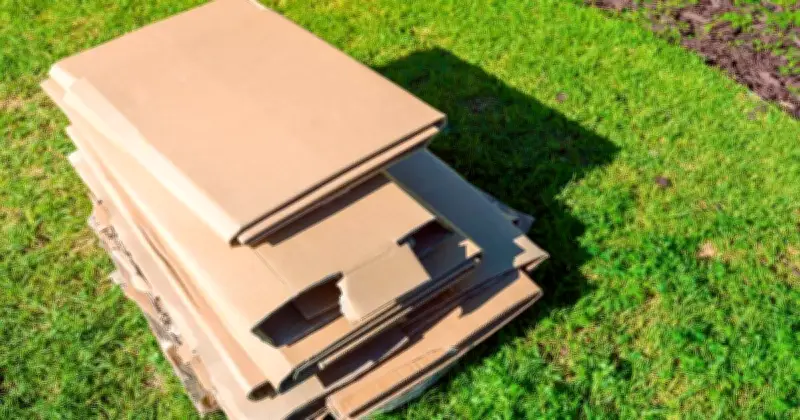
This method works by starving the roots of sunlight, preventing photosynthesis. The plant exhausts its energy growing shoots toward the light, weakening the roots until they die. To apply, gardeners should cut off the top foliage, flatten cardboard, and lay it directly over the bindweed. Over time, the cardboard also decomposes into organic matter, feeding earthworms and enriching the soil.
Alternative Methods for Bindweed Control
While cardboard is effective, it may be impractical around flowerbeds or vegetable gardens due to excessive shading. In such cases, Daniel suggests placing bamboo canes near the bindweed to encourage it to climb the cane instead of desirable plants. Gardeners can then pull the weed off the cane weekly, saving hours of weeding.
For bindweed on lawns, regular mowing (at least once a week) helps grass outcompete the weed by preventing it from producing enough leaves to sustain its roots. This gradual approach eventually kills the bindweed without chemicals.
Quick Action Prevents Damage
Bindweed can cause significant stress for gardeners, but with simple household items and a few minutes of weekly attention, it can be managed effectively. Checking hedges, fences, and plants like tomatoes and roses at least once a week in July is crucial, as bindweed often resembles a harmless wildflower with heart-shaped leaves and pale pink or white blooms.